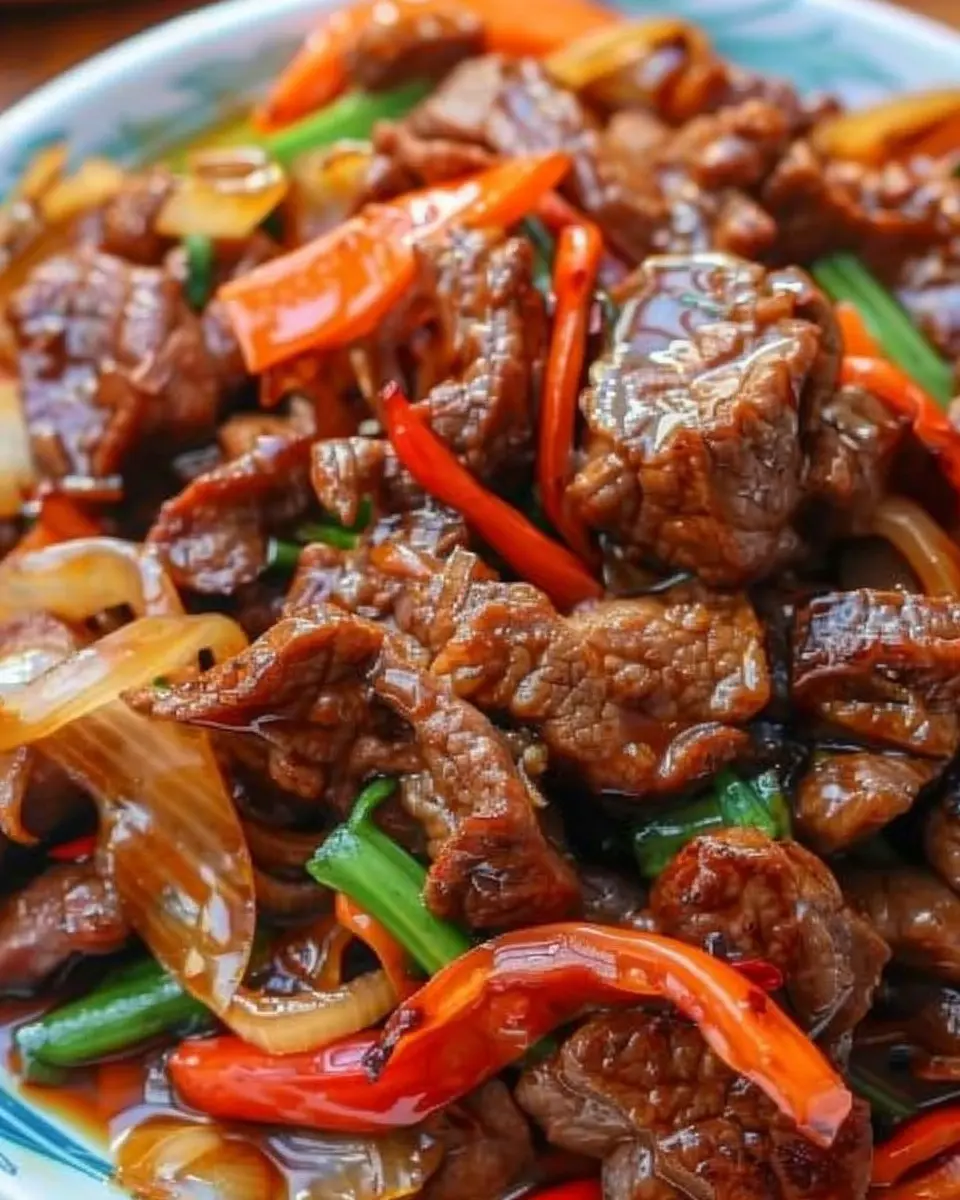
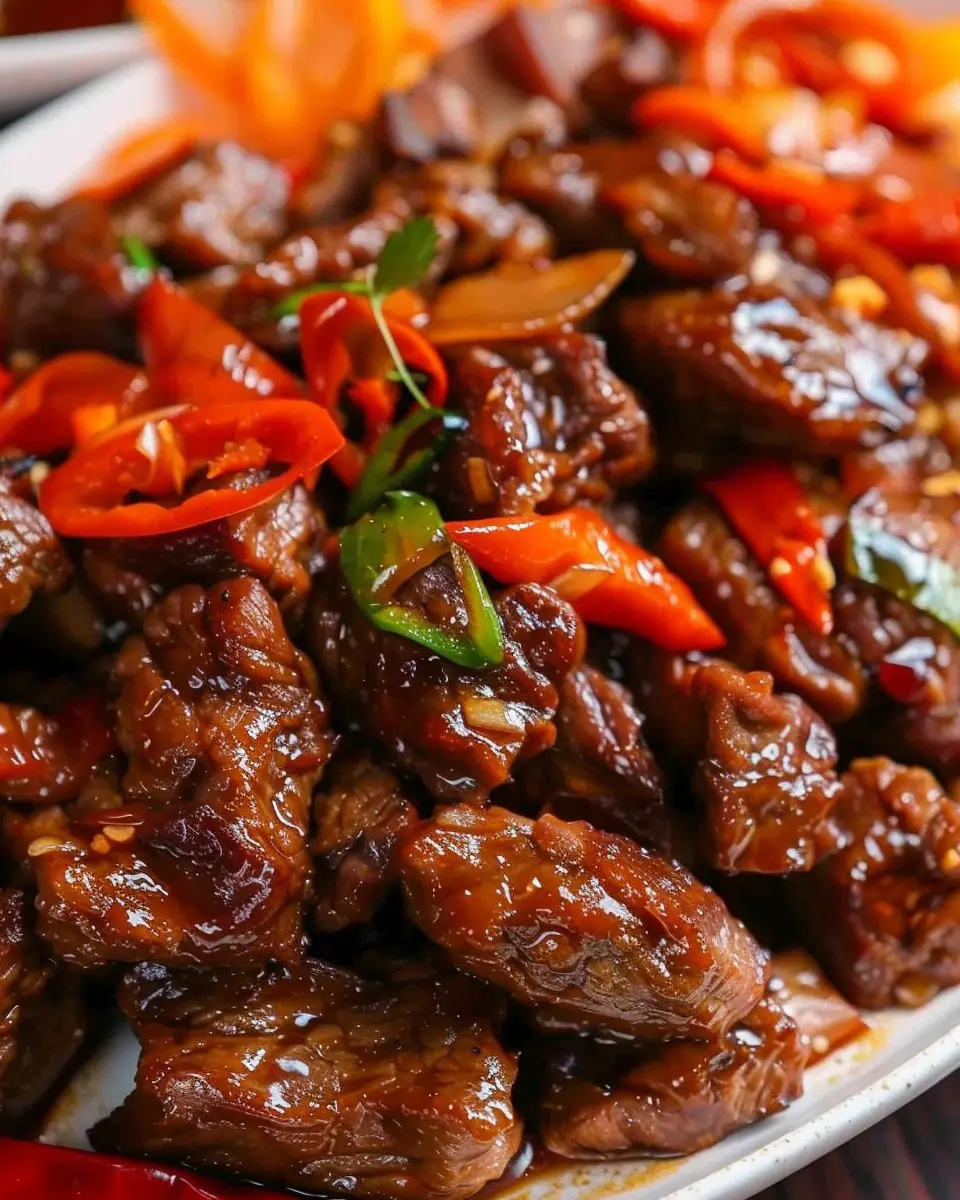
Introduction to Beijing Beef
If you’re on the lookout for a deliciously tender, flavorful, and satisfying dish that can easily become a weeknight favorite, look no further than Beijing Beef. This dish marries crispy beef with vibrant veggies, delivering a taste experience that feels both indulgent and comforting. If you’ve ever enjoyed it from your local takeout menu, you know how addictive that sweet and slightly spicy sauce can be. But why limit yourself to dining out when recreating this culinary delight at home is so simple?
Why Beijing Beef is a must-try at home
Making Beijing Beef at home offers a unique opportunity to tailor the flavors to your personal preferences. For instance, if you prefer a bit more heat, add extra chili flakes. If you’re a fan of a thicker sauce, adjust the cornstarch in your recipe. One of the best parts about cooking at home is having full control over the ingredients. You can substitute in healthier options or just those ingredients you have on hand, ensuring that each bite is just as you like it.
Additionally, when you cook it yourself, you can prepare a larger batch to enjoy throughout the week. Picture this: a long day at work, and you open the fridge to find a comforting container of Beijing Beef waiting. It’s like having your favorite takeout but without the delivery fees!
Moreover, Beijing Beef isn’t just about the taste—it’s about the experience. Cooking is a creative outlet, an activity that can reduce stress and bring friends or family together in the kitchen. Imagine chopping those colorful bell peppers and onions, and stirring the sizzling beef—it’s a sensory delight!
Elevate Your Cooking Skills
Diving into the world of homemade Chinese cuisine can elevate your cooking skills and deepen your appreciation for flavor combinations. It’s not just about the final dish; it’s about the techniques you learn along the way, from stir-frying to balancing flavors.
So, gather your ingredients and let’s embark on a culinary journey. Check out resources like Serious Eats for tips on mastering stir-frying techniques, or BBC Good Food for additional inspiration. Enjoy every moment as you cook up your very own batch of Beijing Beef—your taste buds will thank you!
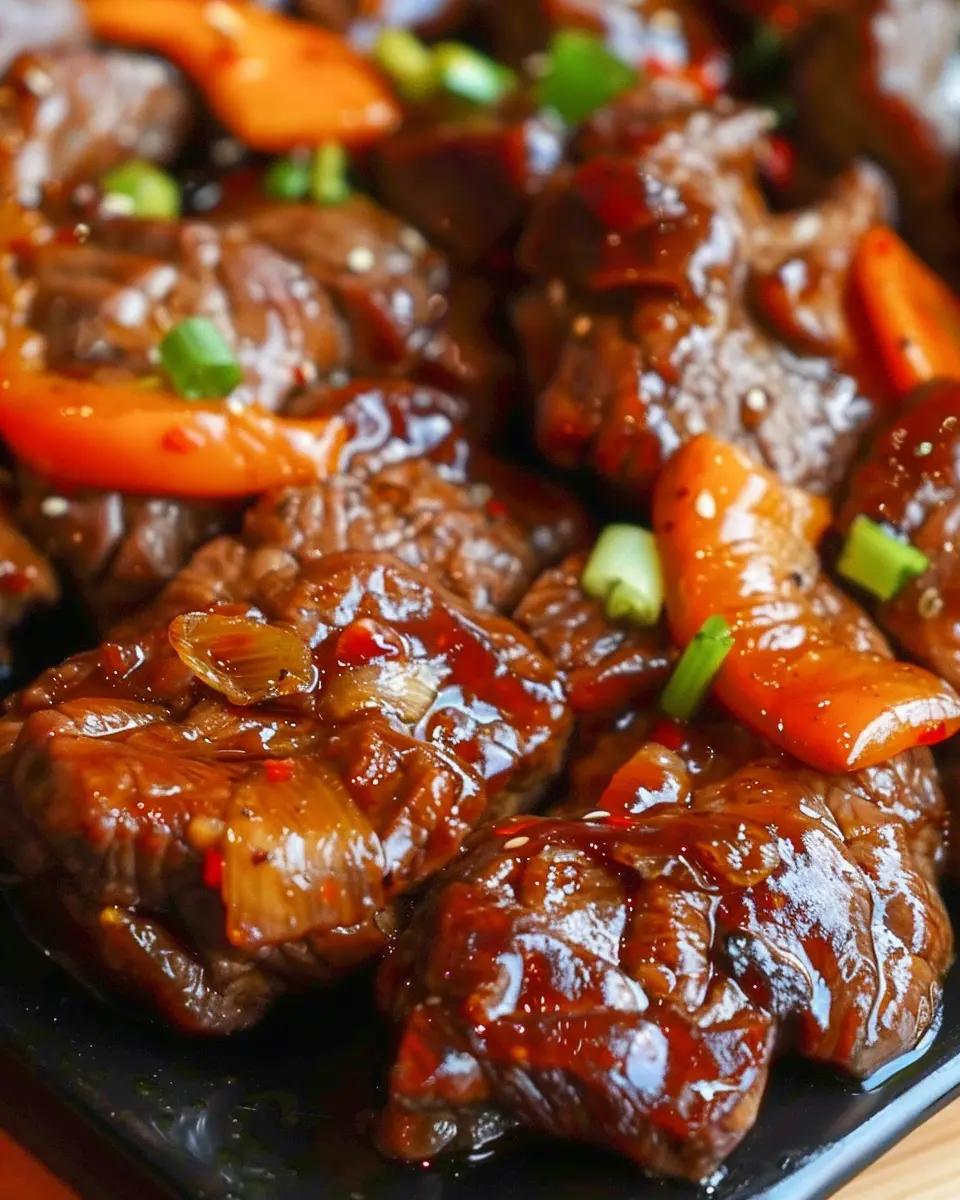
Ingredients for Beijing Beef
Essential ingredients for the perfect dish
Creating a delicious Beijing Beef begins with choosing the right ingredients. Here’s what you’ll need to craft that perfect blend of flavors:
- Beef: Opt for tender cuts like flank steak or sirloin, thinly sliced for maximum tenderness.
- Turkey Bacon: This is a fantastic substitute that adds a smoky depth without the extra grease.
- Vegetables: Bell peppers, onions, and carrots provide essential crunch and vibrant colors.
- Sauce: Soy sauce, hoisin sauce, and a dash of sesame oil intermingle to create that signature taste.
- Cornstarch: Essential for that crispy coating and delicious texture.
- Ginger and Garlic: Fresh, minced; they elevate the dish’s flavor profile.
You can find many of these essential ingredients at your local grocery stores or specialty markets. Did you know that incorporating a variety of vegetables not only boosts the aesthetic of your meal but also adds essential nutrients?
Optional add-ons to customize flavors
While the fundamentals set the stage for a delightful Beijing Beef, don’t shy away from customizing! Consider adding:
- Chili flakes or hot sauce: For a kick of heat.
- Green onions: These add a fresh, slightly oniony flavor.
- Broccoli or snap peas: They introduce additional textures and nutrients.
Feel free to experiment! Personalizing your dish allows you to highlight your unique palate, making it all your own. Whether you fancy a burst of spice or a fresh garnish, these optional add-ons can take your Beijing Beef experience to the next level. Enjoy a culinary adventure with this dish!
Preparing Beijing Beef
Creating Beijing Beef at home is an exciting culinary adventure that combines the thrill of stir-frying with mouthwatering flavors. This dish, famous for its savory and slightly sweet sauce, is a favorite for many. Let’s dive into the preparation steps that will make your homemade version stand out!
Prep the beef
Start by selecting quality beef, as the meat is definitely the star of the show. Look for flank steak or sirloin – these cuts are tender and absorb flavors beautifully. Slice the beef against the grain into thin strips about 1/4 inch thick. This technique not only makes the beef more tender but also allows for better marinade absorption. To make slicing easier, consider freezing the beef for about 30 minutes prior to cutting. It’s a nifty trick that will make your prep work much simpler.
Marinate like a pro
Now that your beef is sliced, it’s time for the marinade! This step is crucial to infuse the meat with flavor. In a medium bowl, mix together:
- 2 tablespoons soy sauce
- 1 tablespoon cornstarch
- 1 teaspoon ginger, minced
- 1 teaspoon garlic, minced
- 1 tablespoon sesame oil
Gently toss the beef strips in the marinade until they’re well coated. Let it sit for at least 15-20 minutes. If you have more time, marinating for an hour or even overnight will deepen those flavors, resulting in a more delectable Beijing Beef.
For a deeper understanding of marinades and their impact, check out this informative article on marinating techniques.
Whip up the sauce
While your beef is soaking up the marinade, let’s whip up that signature sauce that gives Beijing Beef its incredible taste. In a small bowl, combine:
- 1/4 cup soy sauce
- 1/4 cup sugar
- 1 tablespoon rice vinegar (or apple cider vinegar if you prefer)
- 1 teaspoon sriracha (for a little kick)
- 1 tablespoon water
- 1 tablespoon cornstarch
Stir until the sugar is dissolved and the cornstarch is well combined. This sauce will thicken as it cooks, clinging beautifully to your beef and veggies.
Dredge the beef
Next, it’s time to dredge the marinated beef. In a shallow dish, add about 1/2 cup of cornstarch. Dredging will help create that delightful crispy texture when you fry the beef. Coat the marinated beef strips in the cornstarch, shaking off any excess. A light coating is all you need!
Fry to perfection
Heat a large skillet or wok over medium-high heat, and add 2-3 tablespoons of oil (vegetable or canola works great). Once the oil is hot, add the coated beef in a single layer—don’t overcrowd the pan! Fry for around 2-3 minutes on each side until golden brown. Remove the beef and place it on a paper towel-lined plate to absorb any excess oil.
Stir-fry the veggies
While your beef is resting, it’s time to stir-fry the veggies. In the same skillet, add a bit more oil if needed, and toss in:
- Bell peppers (red and green for color)
- Onion, sliced
- Broccoli florets
Stir-fry for about 3-4 minutes until they are tender-crisp. Remember, you want to maintain their vibrant color and crunch.
Combine and finish
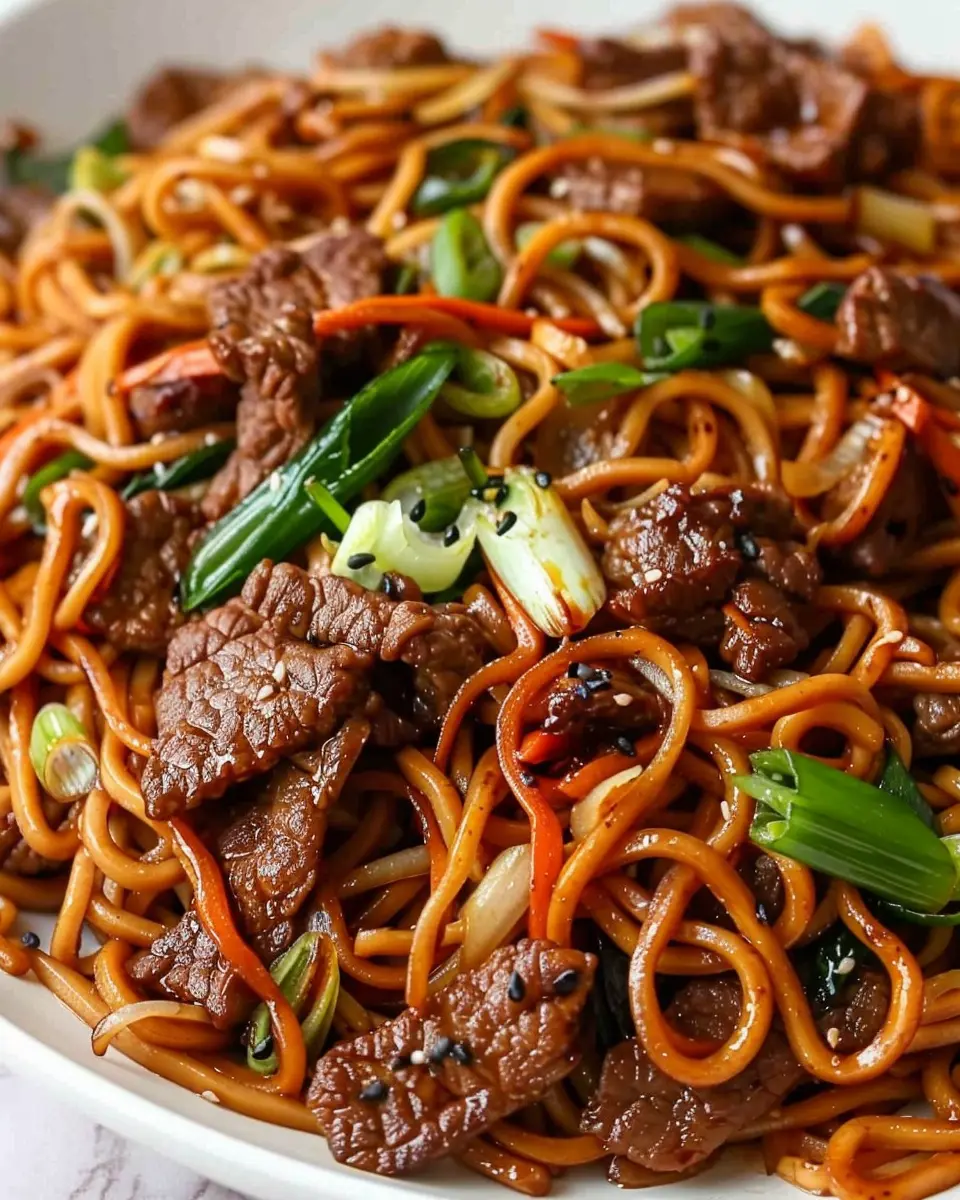
Now it’s all coming together! Return the fried beef to the skillet with the vegetables. Pour in your delicious sauce and toss everything together, allowing it to cook for an additional 2-3 minutes. This is where the magic happens—the sauce thickens and creates that glossy finish you see in restaurant dishes.
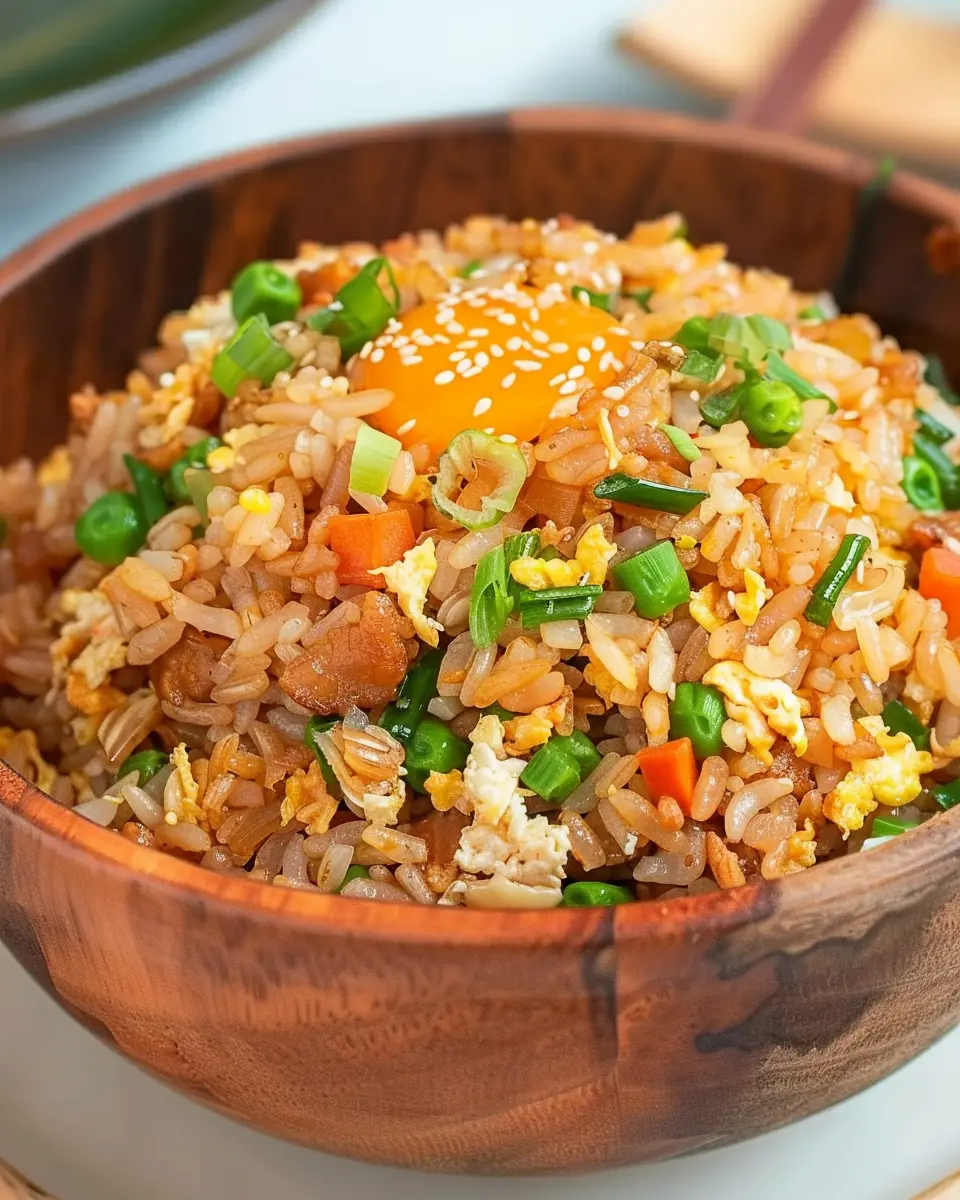
Your homemade Beijing Beef is now ready to serve! Pair it with steamed rice or noodles, and you have a delightful meal that’s packed with flavor. Enjoy your culinary creation, and don’t forget to share with friends and family!
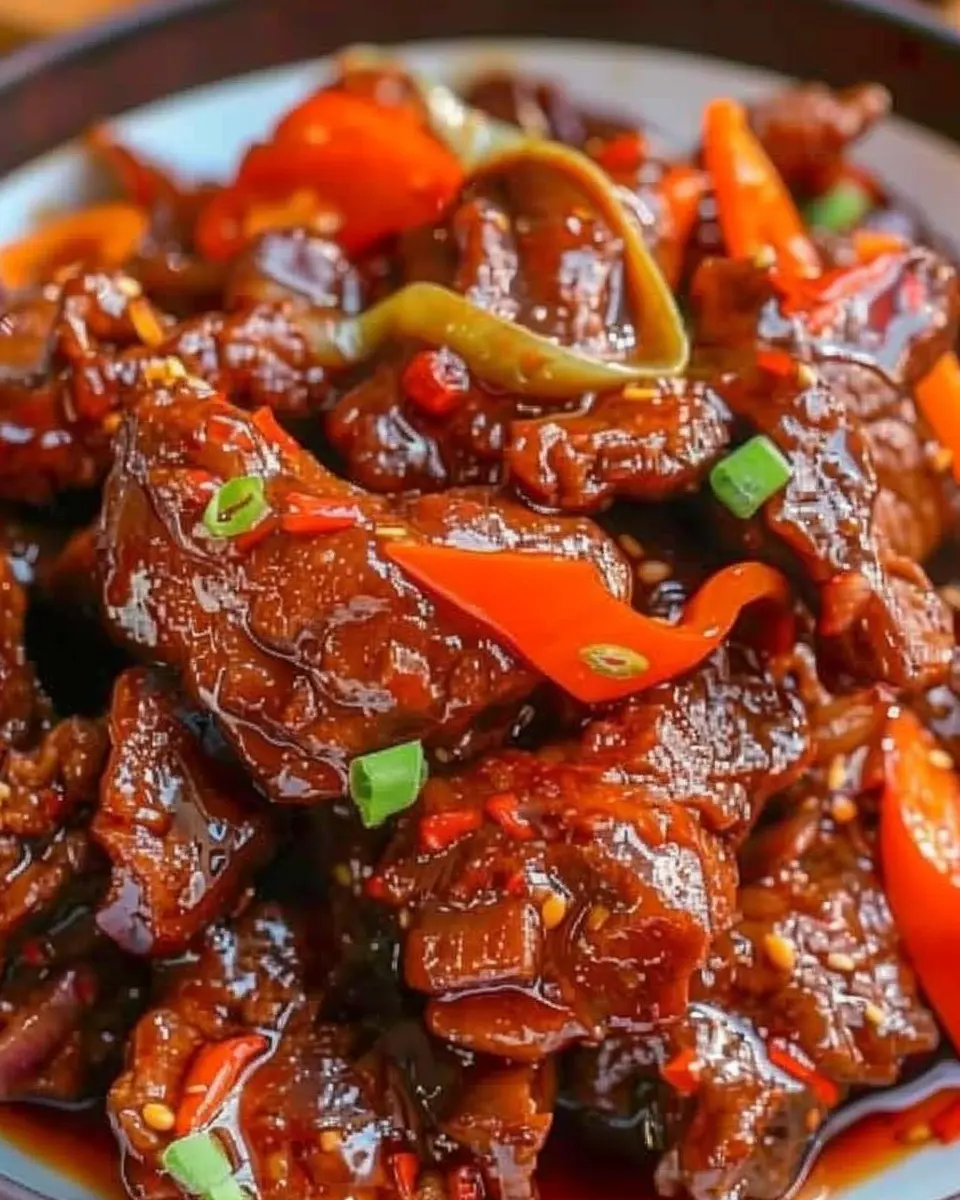
Variations on Beijing Beef
Beijing beef is a flavorful dish that can easily adapt to various dietary preferences and taste buds. Let’s dive into some fun variations that you can explore.
Embracing Vegetarian Options
If you’re leaning towards a plant-based lifestyle or simply want to cut back on meat, consider substituting the traditional beef with tofu or tempeh. Both options are fantastic for absorbing the delicious flavors of the sauce. You might also want to try seitan, a popular meat alternative that has a chewy texture, reminiscent of beef. Don’t forget to switch up your sauce with vegetable broth instead of chicken for added depth!
Exploring Different Protein Alternatives
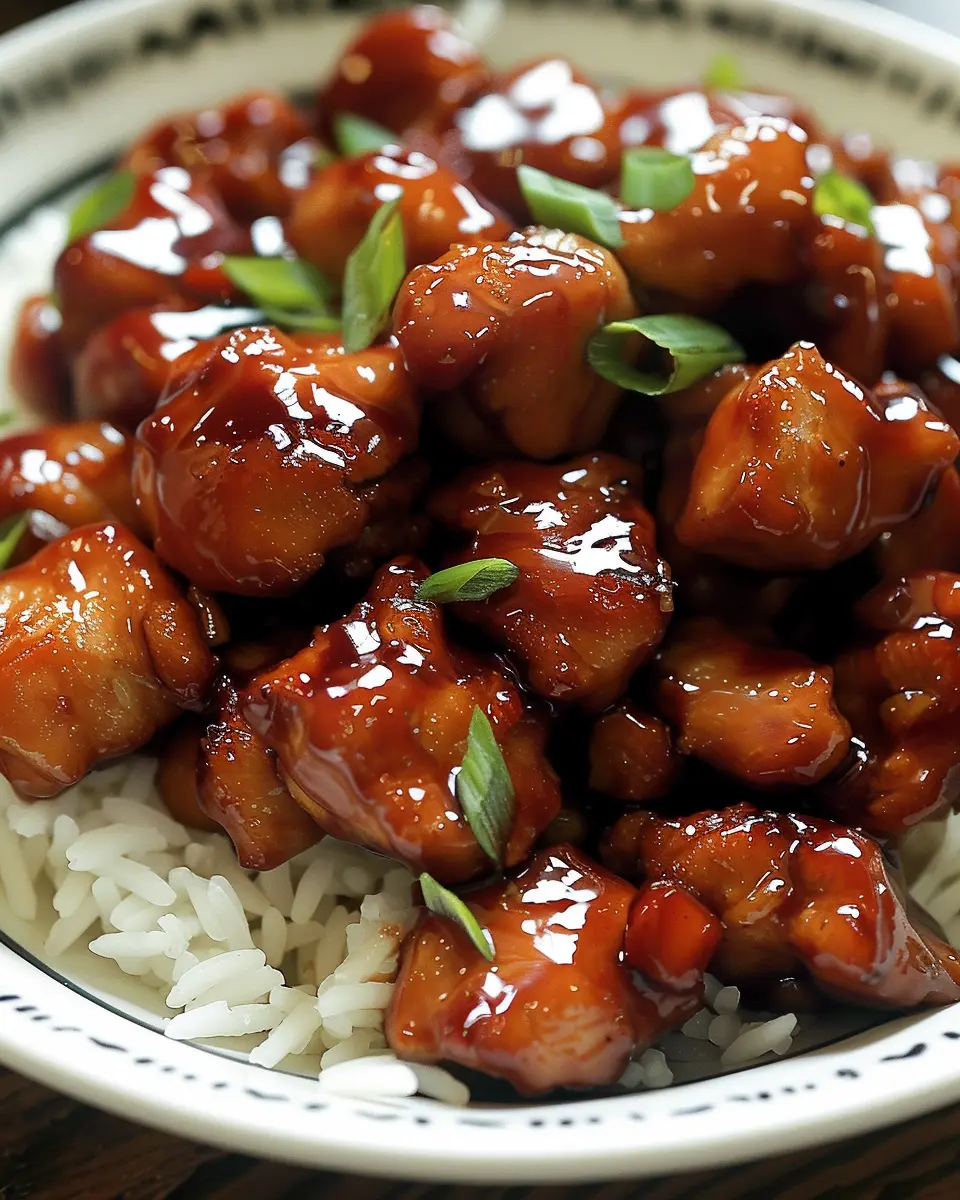
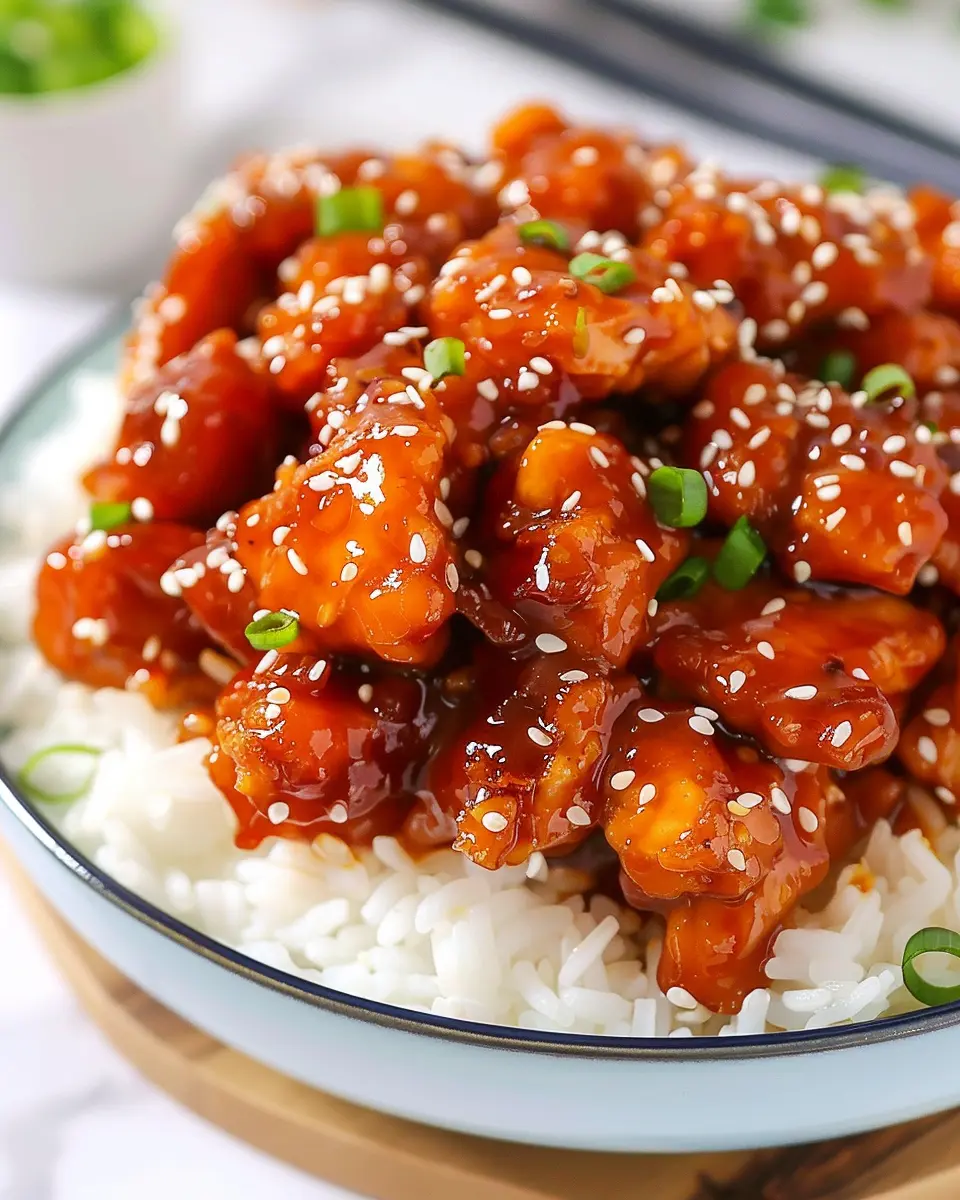
For those who love variety, consider using chicken, turkey bacon, or even chicken ham as delightful substitutes for beef. Each protein brings its unique flavor to the dish. Did you know that chicken tends to be milder, allowing other flavors to shine? You might find the smoky taste of turkey bacon adds an unexpected twist.
Adjusting the Spice Level
One of the joys of cooking is tailoring a dish to your taste. If you love a kick, sprinkle in some red pepper flakes or drizzle sriracha over your Beijing beef. For a milder approach, try using bell peppers alongside a sweet soy sauce. The balance of sweetness and heat is what makes this dish delightful and satisfying.
Incorporating these variations not only makes your Beijing beef experience more enjoyable, but it can also introduce new flavors and healthy alternatives into your meals. Ready to experiment? Your taste buds will thank you! For tips on cooking tofu as a meat substitute, you might want to check out this resource on plant-based cooking.
Cooking tips and notes for Beijing Beef
Secrets to crispy beef
To achieve that delightful crispiness in your Beijing Beef, start with the right cut of beef. Flank steak or sirloin works wonders. Slice it against the grain into thin strips, and don’t skip marinating for at least 30 minutes; this helps tenderize the meat. For extra crunch, coat the beef in cornstarch before frying. Heating your oil until it’s sizzling hot is crucial—this instantly seals in flavors, giving you that characteristic texture. If you really want to know more about frying techniques, check out the Culinary Institute of America.
Ingredient swaps for flavor enhancement
Looking to amp up your Beijing Beef? Consider substituting regular soy sauce with low-sodium soy for a healthier option without sacrificing taste. You can also toss in some fresh ginger or garlic to elevate the flavor profile. If you’re not a fan of bell peppers, try using snap peas or bok choy for a crunchy twist. Don’t forget to add a sprinkle of sesame seeds when serving for that extra wow factor; your dinner guests will appreciate it!
Making these simple adjustments can turn your dish into a flavor masterpiece!
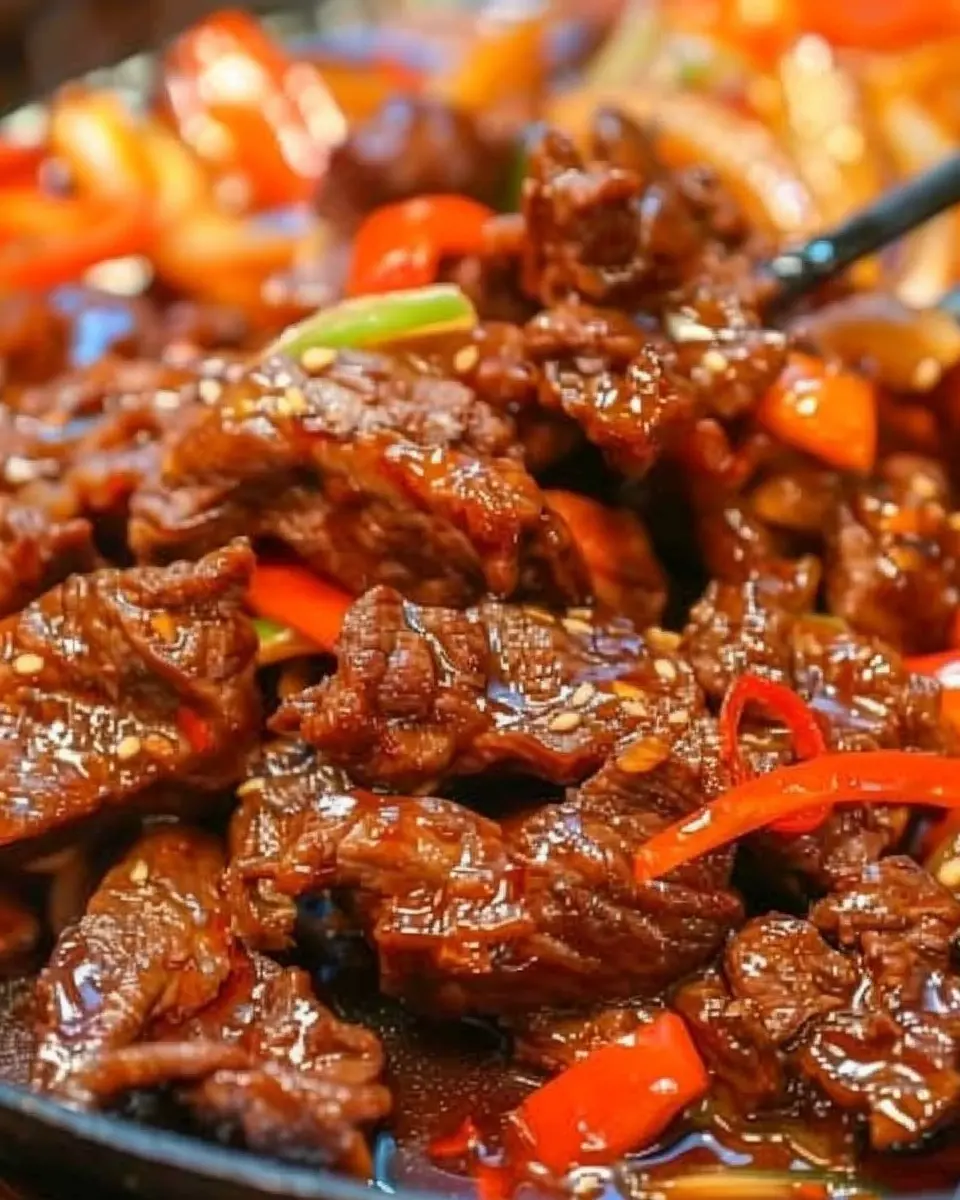
Serving suggestions for Beijing Beef
Perfect pairings to elevate your meal
To enhance your Beijing beef experience, consider serving it over a bed of fluffy steamed rice or stir-fried noodles. The subtle flavors of the rice absorb the savory sauce beautifully, creating a delicious balance. If you’re looking for a vibrant twist, try adding sautéed bell peppers or snap peas on the side. They not only add color but also a refreshing crunch that complements the dish perfectly!
Pair your meal with a light herbal tea or a refreshing lemonade for a palate-cleansing drink. If you want something bubbly, a sparkling water infused with citrus can pick up the flavors nicely.
Creative serving ideas
Why not elevate your presentation? Serve your Beijing beef in lettuce wraps for a fun, interactive twist. Guests can create their own wraps, adding personalized toppings like sliced scallions or sesame seeds. It’s not only delicious, but it also transforms the dining experience into a delightful gathering.
For a unique touch, try serving the dish on a wooden platter, garnished with fresh herbs. This creates a rustic vibe that’s sure to impress! Looking for more ideas? Check out this article on meal presentation for more tips.
With these suggestions, your Beijing beef will be a hit at any meal!
Time breakdown for preparing Beijing Beef
Preparation time
Getting your ingredients ready for Beijing Beef is a breeze and usually takes around 15 minutes. During this time, you’ll want to gather all your essential ingredients—like beef, veggies, and sauces. Chopping everything in advance makes the cooking process go smoothly and much more enjoyable.
Cooking time
The actual cooking time is about 10-15 minutes, depending on your stove and how crispy you like your veggies. Stir-frying the beef until it’s beautifully browned and tender, followed by quick cooking for the vegetables, creates a vibrant dish full of flavor.
Total time
In total, you’re looking at around 25-30 minutes for this delightful dish. With a little planning and organization, you’ll soon be savoring your homemade Beijing Beef. For more tips on meal prepping and timing, check out resources like Cooking Light for some insightful strategies!
With just a bit of effort, you can whip up this delicious recipe in no time!
Nutritional facts for Beijing Beef
When it comes to enjoying a delicious plate of Beijing Beef, understanding its nutritional profile can help you make informed choices. Here’s a quick overview:
Calories
A serving of Beijing Beef usually contains around 250-300 calories. This makes it a manageable option for those looking to indulge without a hefty calorie load. Pair it with some steamed veggies or brown rice to create a well-rounded meal.
Protein content
One of the highlights of Beijing Beef is its protein content, typically around 18-22 grams per serving. This makes it a great choice for those looking to increase their protein intake without resorting to protein shakes or bars.
Key vitamins and minerals
In addition to protein, Beijing Beef is packed with essential vitamins and minerals such as:
- Vitamin A: Important for vision and immune function.
- Iron: Crucial for transporting oxygen in your blood.
- Zinc: Supports immune health and metabolism.
- Vitamin C: Boosts your immune system and aids in iron absorption.
Understanding these nutritional benefits can help you enjoy your Beijing Beef guilt-free. For more detailed information on the nutritional value of various dishes, consider checking out resources like the USDA National Nutrient Database or the World Health Organization.
FAQs about Beijing Beef
How can I make my Beijing Beef spicier?
If you’re looking to add a bit more heat to your Beijing Beef, consider incorporating extra red pepper flakes or a splash of chili oil during the cooking process. You could also include sliced fresh chili peppers or a dollop of sriracha in the sauce. Adjusting the heat level allows you to customize the dish to your taste preferences, making it just right for your palate.
For some inspiration, check out this guide on spices at Spiceology, which discusses how spices can elevate your cooking!
Can I use a different cut of beef?
Absolutely! While flank steak is the traditional choice for Beijing Beef, you can experiment with other cuts depending on your preference or what you have on hand. Cuts like sirloin or skirt steak can also work wonderfully. Just remember, the key is to slice the beef thinly against the grain for maximum tenderness. If you’re short on time, pre-sliced beef can often be found at your local butcher or grocery store.
What’s the best way to store leftovers?
No one likes wasting food. To keep your Beijing Beef fresh, allow it to cool to room temperature before transferring it to an airtight container. It can be stored in the refrigerator for up to three days. Reheat in a skillet over medium heat for the best results, adding a splash of water or broth to keep it moist. If you want to keep it for longer, consider freezing it for up to a month. Just remember, the texture might change slightly once thawed, but it’ll still taste delicious!
Being mindful of storage not only helps reduce food waste but also ensures you can relish those delightful leftovers later!
Conclusion on Beijing Beef
Recap of the Dish’s Appeal
Beijing Beef is a delightful fusion of flavors, combining tender beef strips with crunchy vegetables in a sweet and tangy sauce. This dish perfectly balances sweet and savory notes, making it a favorite for many. The vibrant colors and enticing aroma will surely draw you in. Why not bring this delectable experience to your own kitchen? It’s easier than you might think!
Encouragement to Try at Home
Whether you’re new to cooking or a seasoned chef, making Beijing Beef at home is a great way to explore Asian cuisine. With a few simple ingredients and a little creativity, you can create a restaurant-quality dish that impresses. Ready to give it a shot? Check out more tips and tricks for Chinese recipes on Serious Eats or BBC Good Food. Enjoy your culinary adventure!
PrintBeijing Beef: Easy Stir-Fry Recipe That Will Delight You
Enjoy this delicious and easy Beijing Beef stir-fry recipe that combines tender beef with vibrant veggies and a savory sauce!
- Prep Time: 15 minutes
- Cook Time: 10 minutes
- Total Time: 25 minutes
- Yield: 4 servings 1x
- Category: Main Dish
- Method: Stir-fry
- Cuisine: Chinese
Ingredients
- 1 pound flank steak, sliced thin
- 2 cups bell peppers, sliced
- 1 cup onion, sliced
- 3 tablespoons soy sauce
- 2 tablespoons cornstarch
- 1 tablespoon vegetable oil
- 2 cloves garlic, minced
- 1 tablespoon ginger, minced
- 1/4 cup water
Instructions
- In a bowl, mix sliced beef with soy sauce and cornstarch. Let marinate for 15 minutes.
- Heat oil in a large skillet over medium-high heat. Add the beef and stir-fry until browned.
- Add garlic and ginger, stir for another minute.
- Add bell peppers and onion, cook until vegetables are tender.
- Pour in water, and stir everything together for a few minutes.
- Serve hot over rice or noodles.
Notes
- For extra flavor, add sesame oil when serving.
- Adjust heat level by adding red pepper flakes.
Nutrition
- Serving Size: 1 plate
- Calories: 400
- Sugar: 5g
- Sodium: 800mg
- Fat: 20g
- Saturated Fat: 4g
- Unsaturated Fat: 14g
- Trans Fat: 0g
- Carbohydrates: 30g
- Fiber: 3g
- Protein: 35g
- Cholesterol: 70mg
Keywords: Beijing Beef, stir-fry, easy recipe, beef recipes, Chinese cuisine