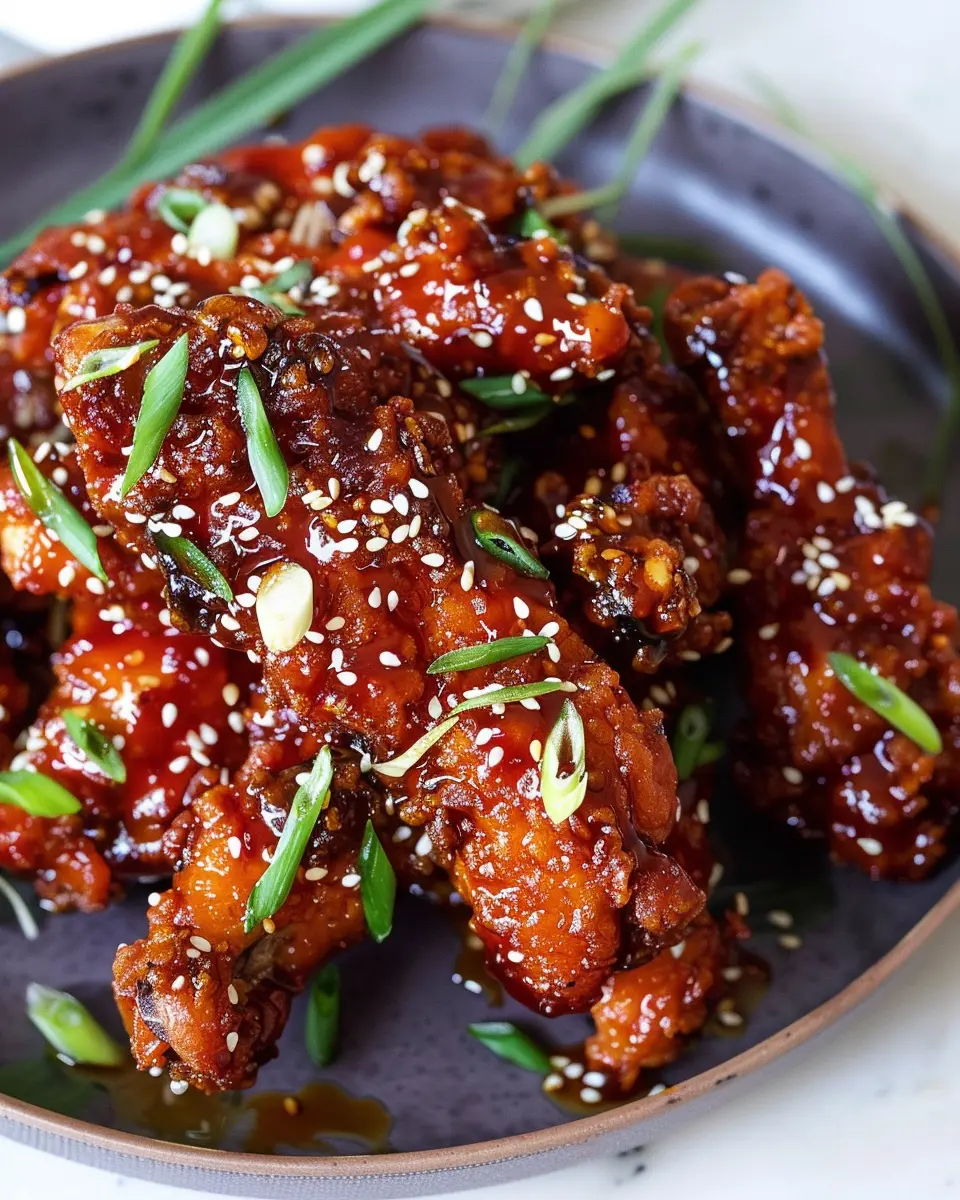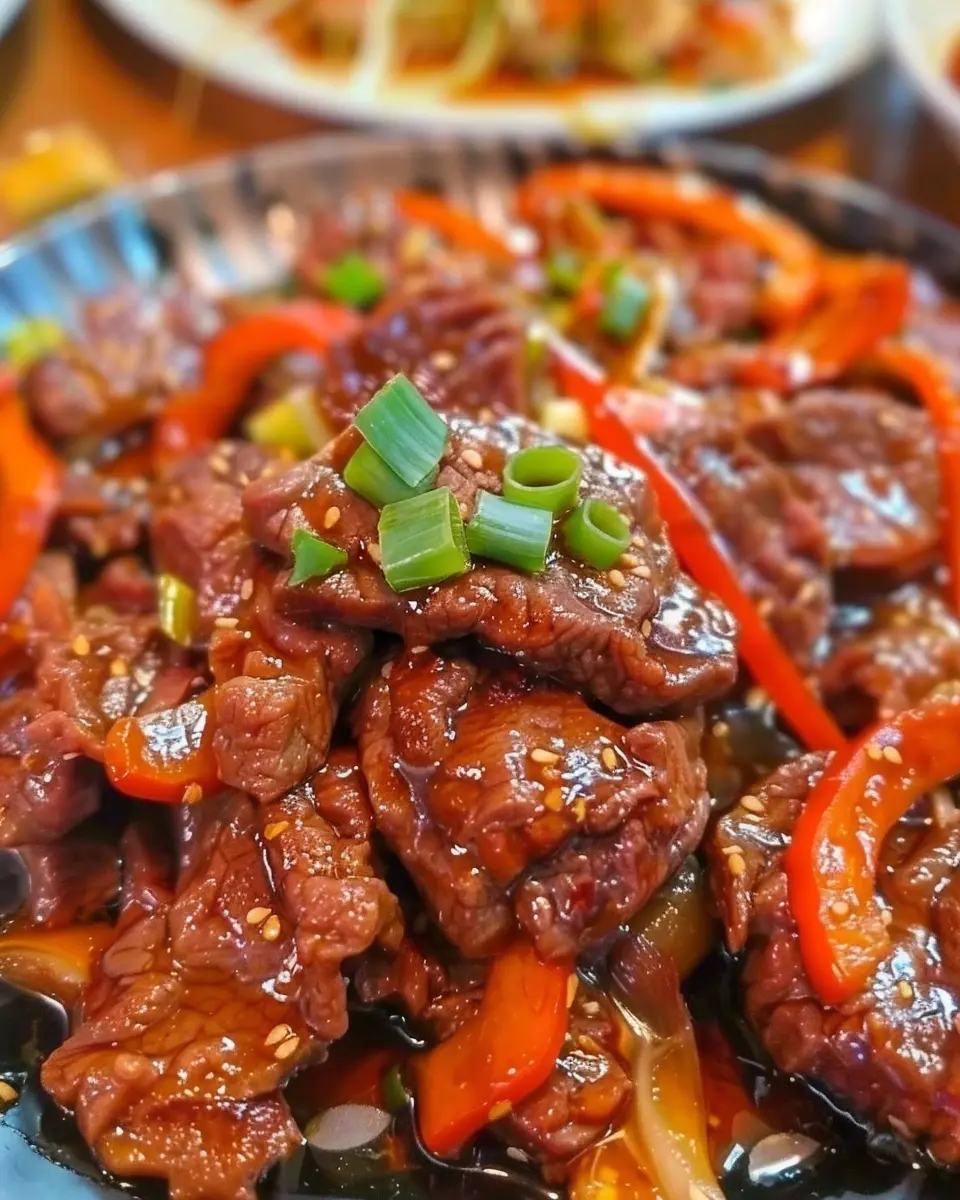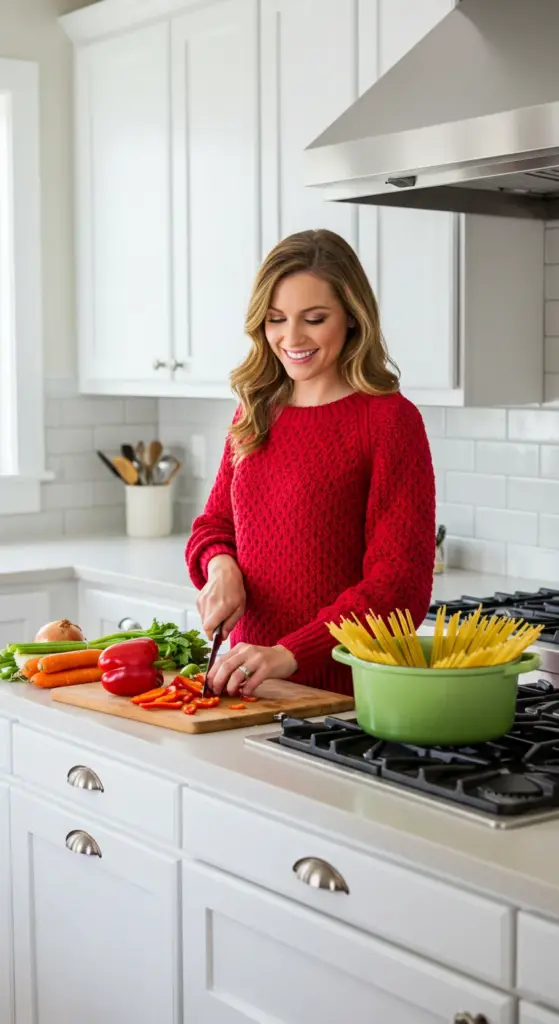
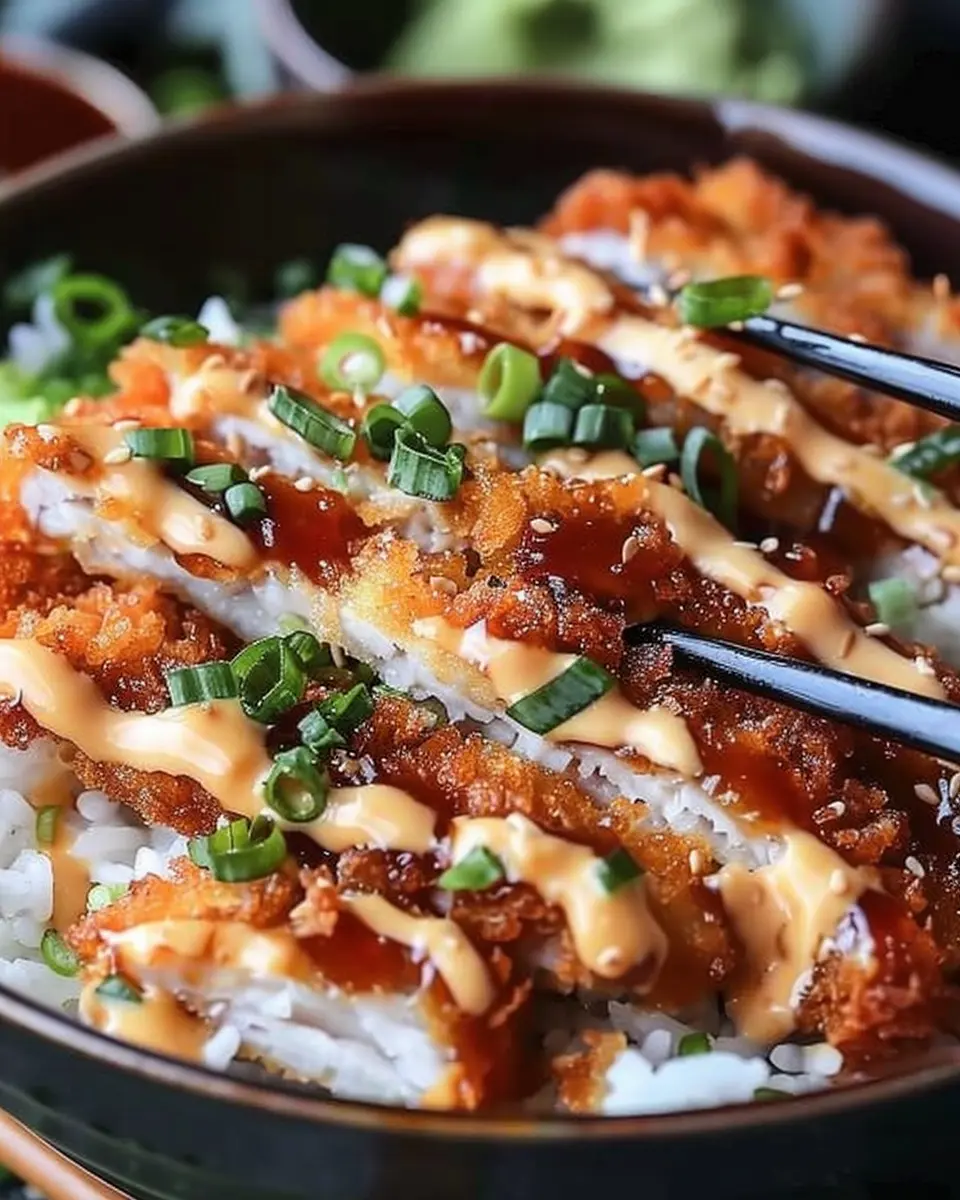
Introduction to Japanese Katsu Bowls
What are Japanese Katsu Bowls?
If you haven’t yet ventured into the delightful world of Japanese katsu bowls, you’re in for a treat! At their core, these bowls are a harmonious combination of crispy, breaded protein—traditionally pork, but you can easily substitute it with beef, chicken, or even plant-based options—served atop a bed of fluffy rice. Often accompanied by a rich, savory sauce and vibrant vegetables, katsu bowls present an explosion of flavors and textures in every bite.
The term “katsu” itself comes from “katsuretsu,” which means cutlet in Japanese. This dish can be traced back to the late 19th century, and since then, it has evolved into a beloved staple in Japanese cuisine. You can find it served in various styles, from casual eateries to fine dining, sparking joy in food lovers around the globe. If you’re curious to delve deeper, you might appreciate learning how specific ingredients like panko breadcrumbs contribute to that signature crunch.
Why are Katsu Bowls Perfect for Young Professionals?
Let’s face it: as young professionals, juggling work, social life, and self-care can often feel overwhelming. So why are Japanese katsu bowls the answer to your culinary woes?
- Quick Preparation: These bowls are relatively straightforward to prepare, making them ideal for busy weeknights. You can whip one up in around 30 minutes, and once you get the hang of it, you can even batch-cook your proteins.
- Customizable: Want to spice things up? You can play around with your toppings or even try different types of sauces! The adaptability of katsu bowls means you’ll never get bored.
- Nutrition-Friendly: Packed with nutrients from vegetables and lean proteins, katsu bowls can align with your health goals, proving that delicious doesn’t have to mean unhealthy.
Between the crispiness of beef katsu, the warmth of the rice, and the freshness of your vegetable choices, Japanese katsu bowls satisfy cravings while being a wholesome meal option. Plus, sharing your creations on social media or with friends can spark joy and conversations, amplifying your connection to food and culture.
Dive into the world of Japanese katsu bowls and elevate your culinary game—one delicious bowl at a time!
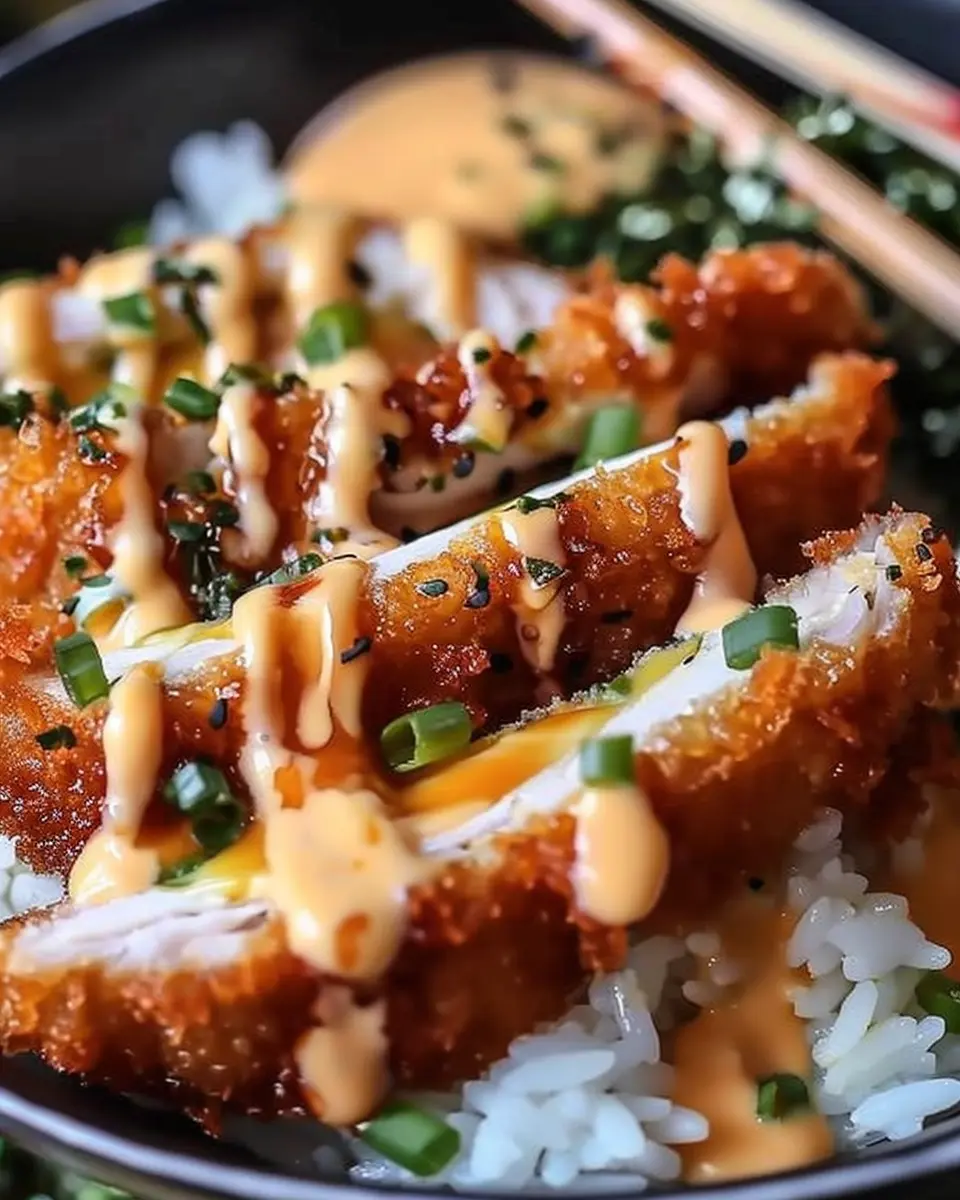
Ingredients for Japanese Katsu Bowls
Essential ingredients for a classic Katsu Bowl
Creating a delicious Japanese Katsu Bowl starts with some essential ingredients that bring authentic flavors to your dish. Here’s what you’ll need:
- Beef Cutlet: Opt for a tender cut like sirloin or tenderloin, pounded thin for the perfect crunch.
- Panko Breadcrumbs: These Japanese-style breadcrumbs provide that signature crispy texture.
- Egg: Used as a binder before coating the beef in panko, giving it that golden finish.
- All-Purpose Flour: A light dusting helps the egg adhere to the meat.
- Oil: For frying, a neutral oil with a high smoke point is ideal, like vegetable or canola oil.
- Steamed Rice: Short-grain rice adds a lovely, chewy base to soak up the flavors.
Optional ingredients for customization
Feel free to mix it up! Here are some optional additions for your Japanese Katsu Bowls to accommodate your taste or pantry staples:
- Sauces: Try drizzling with tonkatsu sauce or a homemade soy glaze for extra flavor.
- Vegetables: Add sautéed or pickled veggies, such as cabbage, carrots, or green onions, for a refreshing crunch.
- Eggs: Top your dish with a soft-boiled egg for richness.
- Sides: Consider serving with miso soup or a salad for a complete meal.
Remember, part of the joy of cooking is experimenting. What will you add to make your katsu bowl unique?
Step-by-Step Preparation of Japanese Katsu Bowls
Creating delicious Japanese katsu bowls at home doesn’t have to be a daunting task. With just a few steps and the right ingredients, you’ll be whipping up this comforting dish in no time. Let’s dive right into the preparation process!
Gather and prep your ingredients
Before you start, it’s essential to gather all the ingredients you need to make perfect Japanese katsu bowls. Here’s what you’ll need:
- Cutlets: 2 beef cutlets, preferably thinly sliced
- Flour: 1 cup, for dredging
- Eggs: 2 large, beaten
- Panko breadcrumbs: 2 cups, for that signature crunch
- Salt and pepper: to taste
- Oil: for frying
- Cooked rice: for serving
- Vegetables: such as shredded cabbage, carrots, or pickled vegetables for garnish
- Tonkatsu sauce: store-bought or homemade (we’ll get to that soon!)
Having everything ready and prepped makes the cooking process so much smoother—you won’t be scrambling for missing ingredients mid-recipe.
Pound the cutlets to perfection
Now that you have your ingredients, it’s time to pay attention to those beef cutlets. Take a meat mallet and gently pound each cutlet until it’s about 1/2 inch thick. This step not only tenderizes the meat but also helps it cook evenly.
Pro tip: Place the meat between two sheets of plastic wrap to keep things clean and avoid splatter. It’s an extra step that makes cleanup a breeze!
Set up your breading station
Once your cutlets are beautifully pounded, it’s time to prepare your breading station. You’ll want three shallow bowls or plates:
- Bowl 1: Fill it with seasoned flour (a pinch of salt and pepper can elevate the flavor).
- Bowl 2: Beat the eggs and place them in the second bowl.
- Bowl 3: Pour a generous amount of panko breadcrumbs into the final bowl.
The process is straightforward: first, dredge the cutlet in flour, then dip it into the egg, and finally coat it with panko. This three-step breading process is crucial for achieving that perfect crispy texture that defines Japanese katsu bowls.
Fry the cutlets to a golden crisp
Now for the fun part—frying! Heat a generous amount of oil in a frying pan over medium-high heat. You want enough oil so that the cutlets can swim a little. Carefully place the breaded cutlets in the hot oil and fry each side for about 4-5 minutes, or until they are golden brown and crispy.
Keep an eye on the temperature; too hot can burn your katsu, and too low will make them soggy. If you have a cooking thermometer, aim for about 350°F (175°C). Once cooked, place the cutlets on a paper towel-lined plate to absorb excess oil.
Mix your homemade tonkatsu sauce
While the cutlets are frying, it’s the perfect time to whip up some tonkatsu sauce. This sauce is a harmonious blend of sweet and savory—a key element to any Japanese katsu bowl. You can use a store-bought variant, but here’s a quick homemade recipe:
- 1/4 cup ketchup
- 2 tablespoons Worcestershire sauce
- 1 tablespoon soy sauce
- 1 tablespoon sugar
Mix these ingredients together and adjust to your taste. This sauce is not just great for katsu but also a fantastic dip for other fried dishes.
Assemble your Katsu Bowl
At last, it’s time to put everything together! Start with a generous scoop of cooked rice at the bottom of your bowl. Slice the crispy beef cutlet into strips and lay them over the rice. Add a handful of shredded cabbage or your favorite vegetables for color and crunch. Drizzle with the tonkatsu sauce and, if you’re feeling fancy, garnish with sesame seeds or green onions.
And there you go—your homemade Japanese katsu bowl is ready to be savored. Serve it warm, and enjoy a comforting meal that resonates with the heart of Japanese cuisine.
Feel free to get creative with toppings or sides. Pair your katsu bowl with a light salad or miso soup for a complete experience. Happy cooking!
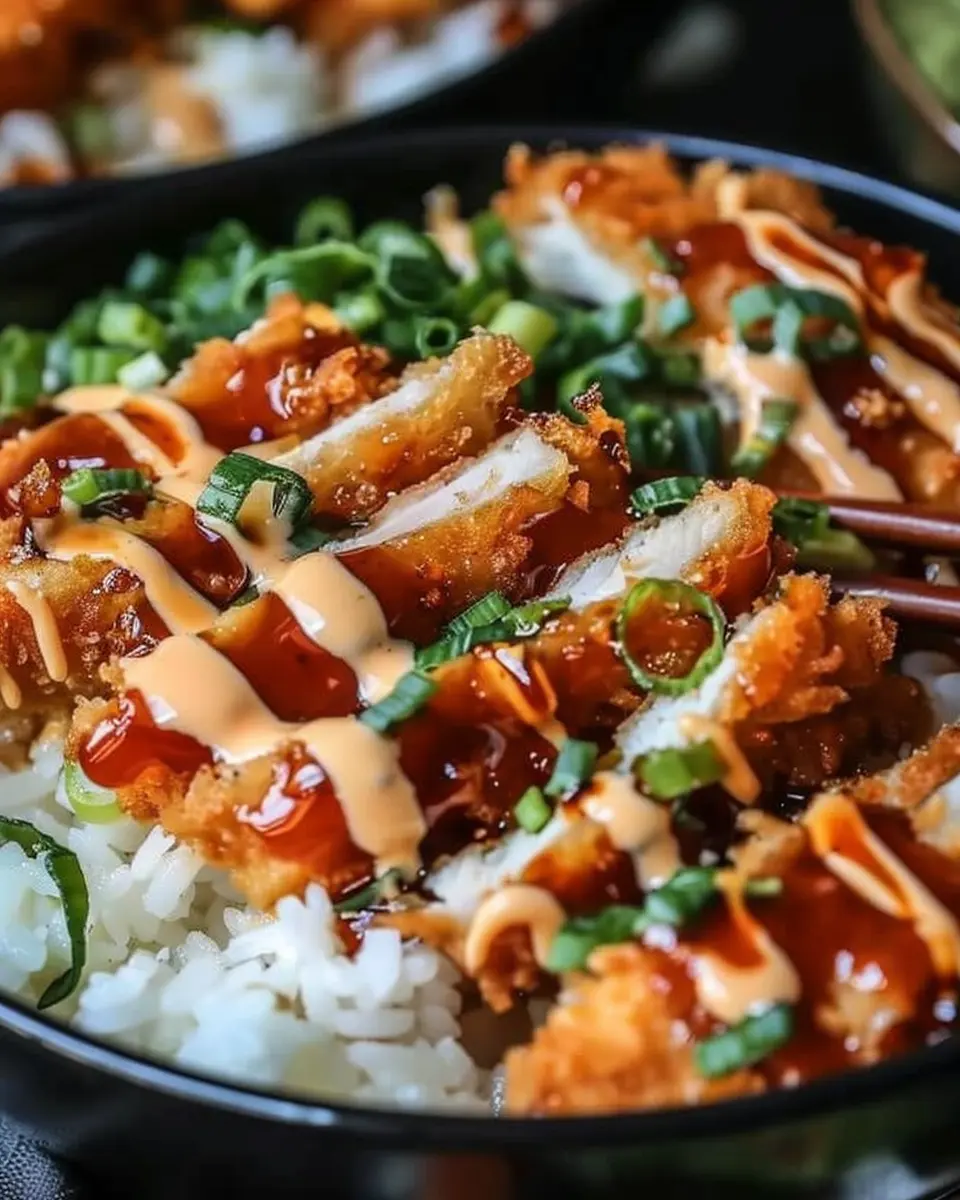
Variations on Japanese Katsu Bowls
Exploring different variations of Japanese katsu bowls can elevate your meals and cater to various dietary preferences. Let’s dive into some fun alternatives that are sure to please anyone at your dining table.
Vegetarian or Vegan Katsu Bowls
If you’re leaning towards plant-based meals, consider swapping out meat for crispy tofu or eggplant. These options can be breaded and fried just like traditional katsu.
- Breaded Tofu: Marinate blocks of firm tofu in soy sauce and ginger, then coat them in panko breadcrumbs for a satisfying crunch.
- Crispy Eggplant: Slice eggplant thin, bread it, and fry until golden. Top with your favorite vegan sauce for an extra flavor kick.
For even more inspiration, check out this delicious vegan katsu recipe.
Different Proteins for Katsu Bowls
While classic Japanese katsu bowls often feature chicken or beef, why not explore other proteins?
- Turkey Bacon: Add a layer of turkey bacon for a smoky flavor. Just fry it up crispy to enhance the savory touch.
- Chicken Ham: Thinly slice and pan-fry chicken ham for a lighter variant that still packs a punch.
This flexibility lets you customize your bowl while keeping it exciting!
Spicy Katsu Bowls for Heat Lovers
For those who love a bit of heat, transforming your Japanese katsu bowls into a spicy version is a game-changer.
- Hot Sauce: Drizzle your favorite hot sauce over the katsu or mix it into the sauce.
- Spicy Mayo: Combine mayonnaise with Sriracha or wasabi for a deliciously creamy kick.
Not only does this add flavor, but it also excites your palate! Experiment with different spice levels until you find your perfect balance.
By incorporating these variations, your Japanese katsu bowls can become a creative outlet that reflects your taste and lifestyle. Keep experimenting, and enjoy the delightful journey of flavors!
Cooking Tips and Notes for Japanese Katsu Bowls
Perfect frying techniques
Frying the meat for your Japanese katsu bowls can make all the difference. To achieve that crispy, golden-brown crust, ensure your oil temperature is around 350°F (175°C). Use a thermometer if you have one, as it’s crucial for preventing greasy katsu. When frying, don’t overcrowd the pan; this lowers the oil temperature and affects the crispiness. Fry in batches if necessary, and place the cooked katsu on a wire rack to maintain its crunch.
Managing portion sizes for meal prep
When it comes to meal prep, controlling portion sizes can save time and effort. A standard serving of katsu is about 4-6 ounces of cooked beef. This makes it easier to pair with your rice and vegetables while maintaining a balanced meal. Consider preparing extra katsu and freezing it. This way, you can whip up satisfying Japanese katsu bowls in no time on busy days. And don’t forget to store cooked rice separately to keep it fluffy! For more meal prep guidance, check out this resource on effective meal prepping strategies.
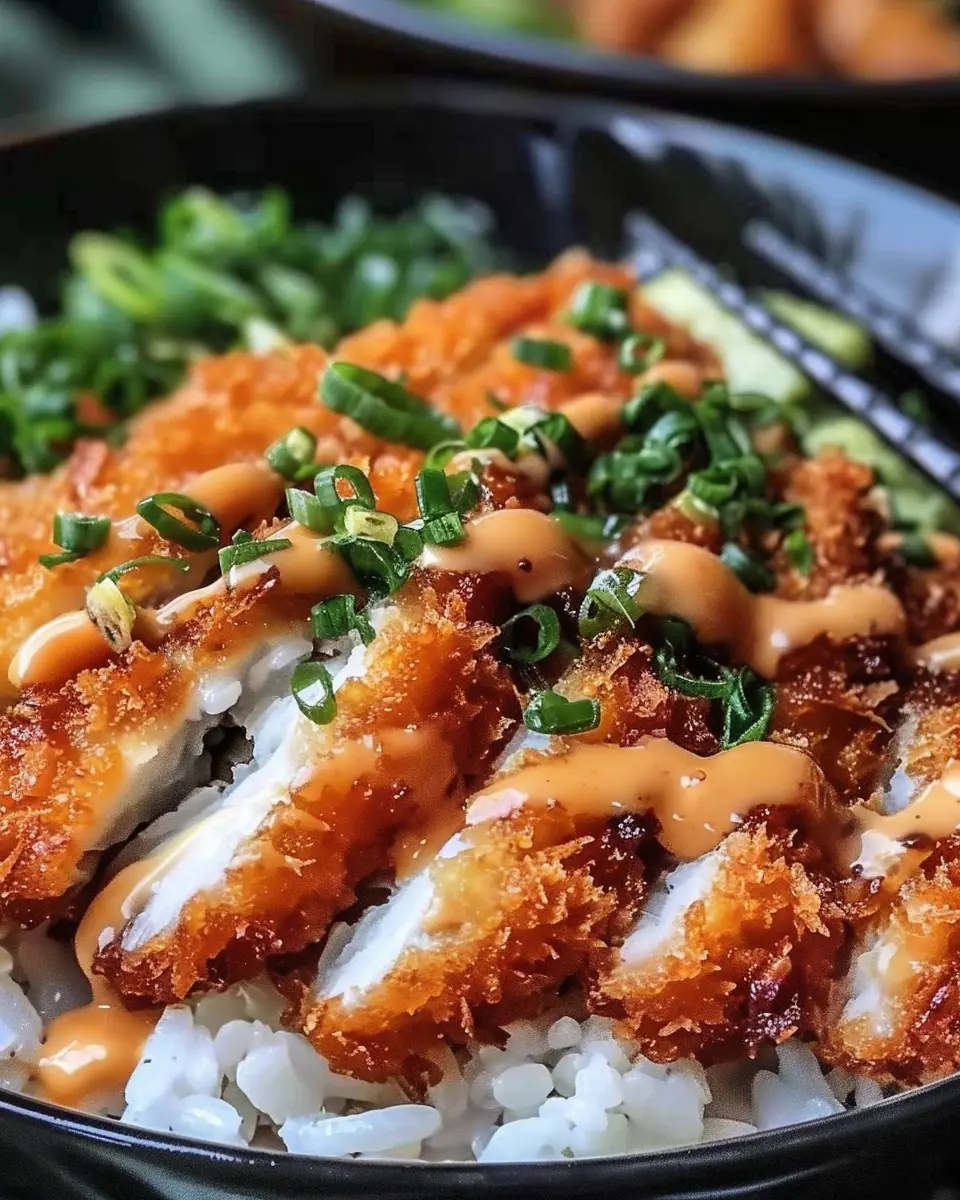
Serving Suggestions for Japanese Katsu Bowls
Pairing Katsu Bowls with Sides
To elevate your Japanese katsu bowls, consider adding tasty sides that complement the dish’s flavors. Some great options include:
- Steamed rice: A staple that pairs perfectly and soaks up the sauce beautifully.
- Miso soup: A warm, savory soup that adds depth and balances the meal.
- Pickled vegetables: These tangy bites enhance the savory richness of the katsu.
If you’re looking for variety, why not try a side salad with a light sesame dressing? Crunchy textures contrast delightfully with the crispy katsu.
For expert tips on traditional Japanese sides, check out resources like Just One Cookbook for inspiration!
Creative Garnishing Ideas
Garnishing can transform your Japanese katsu bowls from ordinary to extraordinary. Here are some fun ideas:
- Toasted sesame seeds: A sprinkle adds a nutty flavor and a hint of crunch.
- Chopped green onions: Bright and fresh, they add a pop of color.
- Nori strips: A unique touch that introduces umami.
Consider drizzling a bit of tonkatsu sauce or a light mayo-based dressing on top for an eye-catching finish. These small details make a big difference!
Time Breakdown for Japanese Katsu Bowls
Preparation Time
The preparation for your enticing Japanese katsu bowls will generally take about 15-20 minutes. This includes gathering ingredients like your favorite beef cut, breadcrumbs, and any veggies you plan to serve alongside. Don’t forget to prepare a delicious sauce or dip as a finishing touch!
Cooking Time
Once you dive into cooking, expect to spend around 20-25 minutes. This allows for perfecting that crispy katsu and sautéing your rice or veggies. Pro-tip: keep an eye on the frying to achieve that golden-brown crust that’ll make your taste buds sing.
Total Time
In total, you’ll be looking at about 35-45 minutes for your Japanese katsu bowls. This timeframe strikes a lovely balance between a homemade meal that feels gourmet without consuming your entire evening. Perfect for a weeknight dinner or a weekend treat! Want to learn more about katsu? Check out this guide on cooking techniques to really hone your skills.
Nutritional Facts for Japanese Katsu Bowls
Calories per serving
A typical serving of Japanese katsu bowls generally clocks in around 600-800 calories, depending on the specific ingredients and portion sizes. This makes it a satisfying meal that provides energy for a busy day. If you’re looking to manage your caloric intake, consider adjusting the serving size or opting for leaner cuts of beef.
Macronutrient breakdown
When it comes to macronutrients, Japanese katsu bowls are rich in protein, primarily from the beef and any added toppings like eggs. A standard bowl contains about:
- Protein: 30-40g
- Carbohydrates: 60-80g
- Fat: 20-30g
For a more balanced dish, you can add a side of steamed vegetables or use a leaner breading method to reduce fat content. Curious about the nutritional benefits of incorporating different proteins? Check out sources like Healthline for more details on protein dynamics!
Getting a grip on the nutritional profile of your favorite meals helps you make informed choices, bringing you closer to your health goals while enjoying delicious food.
FAQs about Japanese Katsu Bowls
Can Katsu Bowls be made ahead of time?
Absolutely, you can prepare components of your Japanese katsu bowls ahead of time! The breaded cutlets can be cooked in advance and kept in the fridge for a day or two. Simply reheat them in the oven to maintain their crispiness. Rice can also be made ahead and stored. Just remember to add fresh veggies right before serving to keep that vibrant crunch!
What can I substitute for panko breadcrumbs?
If you’re in a pinch without panko, there are several excellent substitutes. You can use regular breadcrumbs or crush some crackers for a similar texture. Alternatively, try ground almonds or cornflakes for a gluten-free option. Always be mindful that the flavor may differ slightly, but your Japanese katsu bowls will still turn out delicious!
How do I make my Katsu Bowls gluten-free?
Making gluten-free Japanese katsu bowls is quite simple! Use gluten-free breadcrumbs as a direct substitute for panko. For your soy sauce, opt for a gluten-free version available in most grocery stores. Keep an eye on your condiments, such as Worcestershire sauce, to ensure they’re gluten-free. Planning ahead? Check out resources like Celiac Disease Foundation for more tips on maintaining a gluten-free kitchen.
By adjusting a few ingredients, you can enjoy this delightful dish without any worry! It’s all about finding creative solutions that suit your dietary needs while savoring the flavors of traditional Japanese cuisine.
Conclusion on Japanese Katsu Bowls
Recap of Why Katsu Bowls are a Must-Try for Young Professionals
In the bustling life of a young professional, Japanese katsu bowls offer a delightful blend of flavor, texture, and convenience. These bowls bring together crispy, breaded protein with a variety of fresh vegetables, making them not only satisfying but also nourishing.
- Quick to Prepare: They are perfect for those busy weeknights when time is of the essence.
- Customizable: Whether you prefer beef, chicken ham, or even some plant-based options, you can easily switch it up based on your cravings.
Ultimately, trying out Japanese katsu bowls is more than just a meal—it’s a culinary adventure that can brighten your week. So why not dive in and experience the joy of these mouthwatering creations? For more tips on Japanese cuisine, check out Nihon Sun for insights and inspiration!
PrintJapanese Katsu Bowls: Indulgent Comfort Food Made Easy
Indulge in the ultimate comfort food with Japanese Katsu Bowls, featuring crispy breaded pork cutlets served over rice with a savory sauce.
- Prep Time: 15 minutes
- Cook Time: 20 minutes
- Total Time: 35 minutes
- Yield: 2 servings 1x
- Category: Main Course
- Method: Frying
- Cuisine: Japanese
- Diet: Omnivore
Ingredients
- 2 pork cutlets
- 1 cup panko breadcrumbs
- 1 egg
- 1 cup cooked rice
- 1 tablespoon soy sauce
- 2 tablespoons tonkatsu sauce
- 1 tablespoon vegetable oil
- 1 teaspoon salt
- 1/2 teaspoon black pepper
- 1 teaspoon sesame seeds
- 2 green onions, chopped
Instructions
- Season the pork cutlets with salt and pepper.
- Dip each cutlet in egg, then coat with panko breadcrumbs.
- Heat oil in a pan and fry the cutlets until golden brown.
- Remove and slice the cutlets.
- Serve over cooked rice with tonkatsu sauce drizzled on top.
- Garnish with sesame seeds and green onions.
Notes
- For extra crunch, double coat the pork cutlets.
- Serve with pickled vegetables for a traditional touch.
Nutrition
- Serving Size: 1 bowl
- Calories: 600
- Sugar: 2g
- Sodium: 800mg
- Fat: 30g
- Saturated Fat: 5g
- Unsaturated Fat: 20g
- Trans Fat: 0g
- Carbohydrates: 60g
- Fiber: 2g
- Protein: 35g
- Cholesterol: 80mg
Keywords: Japanese Katsu Bowls, Comfort Food, Easy Recipes