
Introduction to Vegetable Lasagna
When it comes to comfort food, it’s hard to beat a warm, cheesy slice of vegetable lasagna. This dish isn’t just a quintessential Italian delight; it’s a wholesome celebration of flavors that embraces fresh ingredients and hearty textures. Whether it’s a chilly Sunday evening or a busy weeknight dinner, vegetable lasagna is the perfect dish to gather around.
Why Vegetable Lasagna is the Ultimate Comfort Food
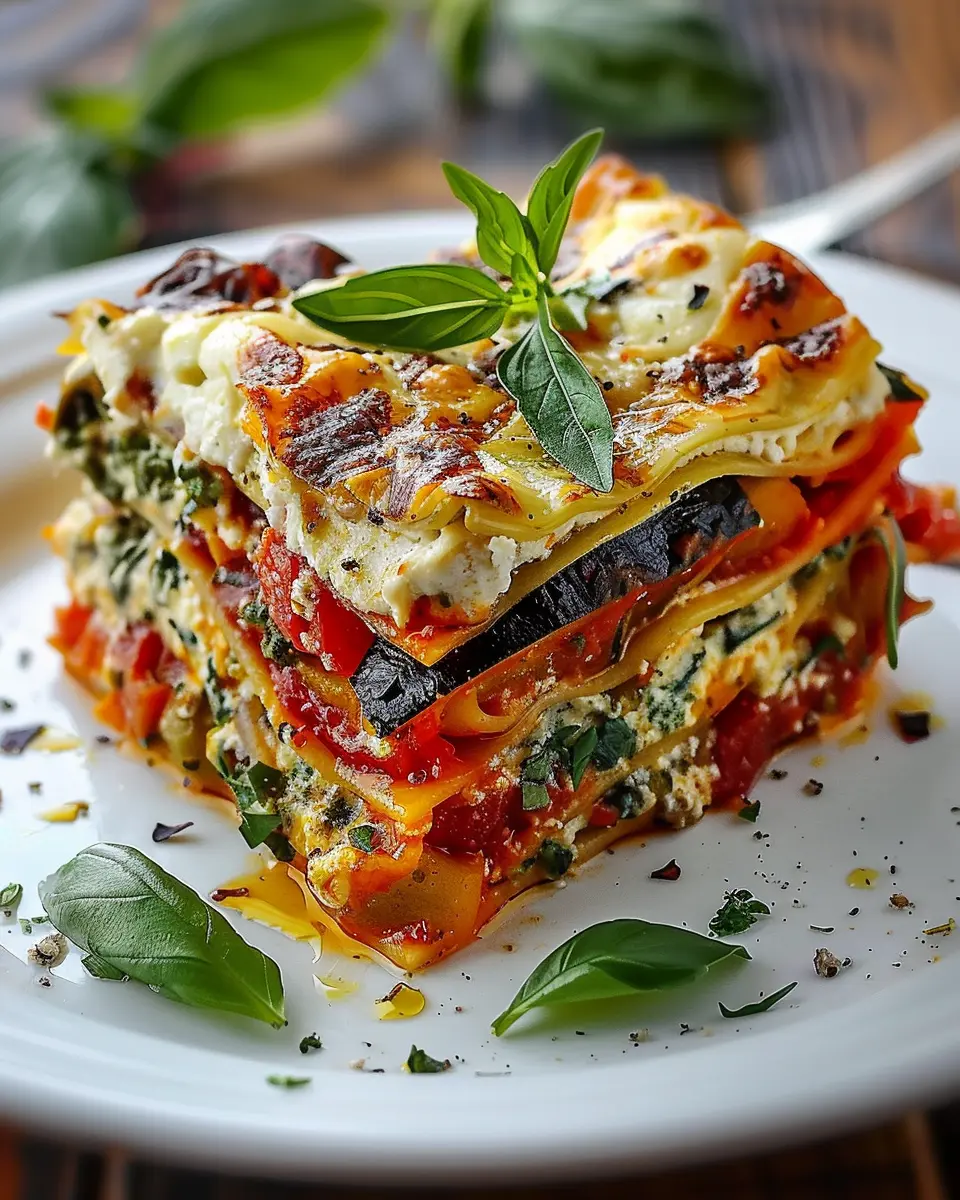
Imagine layering sheets of tender pasta with a medley of vibrant vegetables—think zucchini, spinach, and bell peppers—rich marinara sauce, and gooey cheeses like ricotta and mozzarella. Each forkful is a delicious blend of health and indulgence, making it a perfect choice for both meat lovers and those looking for a meat-free meal. This dish lets you enjoy a guilty pleasure while still sneaking in a plate full of nutrition.
Watch Your Showdowns
Recent studies show that comfort food can elevate your mood and reduce stress levels. Cooking vegetable lasagna from scratch is not only therapeutic but can also be a fun activity to do with friends or family. Plus, adding your favorite veggies allows you to customize the dish to your taste preferences.
Great for Meal Prepping
For busy young professionals, vegetable lasagna shines as a meal prep champion. You can make a large batch, slice it, and store individual portions in the fridge or freezer—dinners sorted for the week! Just pop a piece in the oven or microwave, and you’ll have a satisfying meal in minutes.
The best part? The flavors deepen after a day or two, making leftovers even more enjoyable. If you’re looking for more meal prep inspiration, check out sites like EatingWell for additional healthy recipes.
Health Benefits that Make You Feel Good
Packed with vitamins and fiber, each layer of vegetable lasagna offers nutritional benefits that your body will thank you for. Substituting traditional ingredients with alternatives like whole grain pasta or low-fat cheese can create a lighter version without skimping on taste.
So, next time you crave something comforting yet health-conscious, consider whipping up some homemade vegetable lasagna. It’s a dish that nourishes both the body and the soul!
Ingredients for Vegetable Lasagna
Creating a delicious vegetable lasagna is all about choosing the right ingredients. Here’s a friendly guide to help you gather what you need for a satisfying dish that’ll impress your friends!
Fresh Vegetables
- Zucchini: Thinly sliced, they add texture and moisture.
- Spinach: Fresh spinach works wonders for both flavor and nutrition.
- Mushrooms: Sautéed mushrooms bring an earthy richness.
- Bell Peppers: Colorful and sweet, they add vibrant flavor.
Essential Staples
- Lasagna Noodles: Opt for whole grain or gluten-free, depending on your preference.
- Ricotta Cheese: This creamy layer is a staple in any lasagna.
- Mozzarella Cheese: Freshly shredded for that perfect melty texture.
- Parmesan Cheese: A sprinkle on top adds a delightful crust.
Flavor Enhancements
- Garlic & Onions: Sauté them for a fragrant base.
- Italian Seasoning: A blend of basil, oregano, and thyme enhances the flavors.
- Low-Sodium Vegetable Broth: A great alternative for added moisture without overpowering.
Ready to gather your ingredients? This colorful and nutritious combination is essential for crafting a vegetable lasagna that’s sure to be a crowd-pleaser! For more tips on ingredient sourcing, check out resources like Eat Well Guide for local options.
Preparing Vegetable Lasagna
Making vegetable lasagna is not only a delightful way to enjoy a hearty meal, but it’s also an excellent opportunity to pack in some nutritious veggies. Dive into this step-by-step guide and unleash your inner chef!
Preheat and Prepare the Oven
To kick things off, preheat your oven to 375°F (190°C). This temperature is just right for ensuring your vegetable lasagna will turn golden and bubbly without overcooking. Next, if you haven’t done so already, gather your ingredients. You’ll need lasagna noodles, your choice of vegetables (like zucchini, mushrooms, and bell peppers), ricotta cheese, mozzarella cheese, Parmesan, and some spices. Having everything ready will streamline the cooking process and make it far more enjoyable.
Roast the Vegetables to Perfection
While the oven heats up, now’s a great time to prep your vegetables. Start by washing and chopping them into bite-sized pieces. This might include:
- Zucchini
- Bell peppers
- Carrots
- Spinach
- Mushrooms
Toss these chopped veggies in a bowl with a bit of olive oil, salt, and pepper for flavor. Roasting enhances the natural sweetness and adds depth to your vegetable lasagna. Spread them out on a baking sheet and roast in the preheated oven for about 25-30 minutes until they’re tender and lightly caramelized. This step can significantly elevate the dish, as roasting concentrates flavors. Pro Tip: For inspiration on vegetable roasting, check out this guide on The Spruce Eats.
Cook the Lasagna Noodles
While your veggies are roasting, it’s time to boil those lasagna noodles. Choose between traditional or no-boil noodles, depending on your preference. If using standard noodles, cook them in salted water according to package instructions until al dente. Remember, they will continue cooking in the oven, so don’t overdo it! Drain thoroughly and lay them flat on a clean kitchen towel to prevent sticking.
Mix the Ricotta Filling
Now that your veggies are nicely roasted and your noodles are prepped, it’s time to whip up the ricotta filling. In a mixing bowl, combine:
- 15 oz ricotta cheese
- 1 egg
- 1 cup grated Parmesan cheese
- A sprinkle of salt and ground black pepper
- Fresh or dried herbs such as basil or oregano for extra flavor
Mix everything until it’s smooth and creamy. This combination adds a rich texture to your vegetable lasagna and acts as a delicious binder between all of the layers.
Assemble the Layers
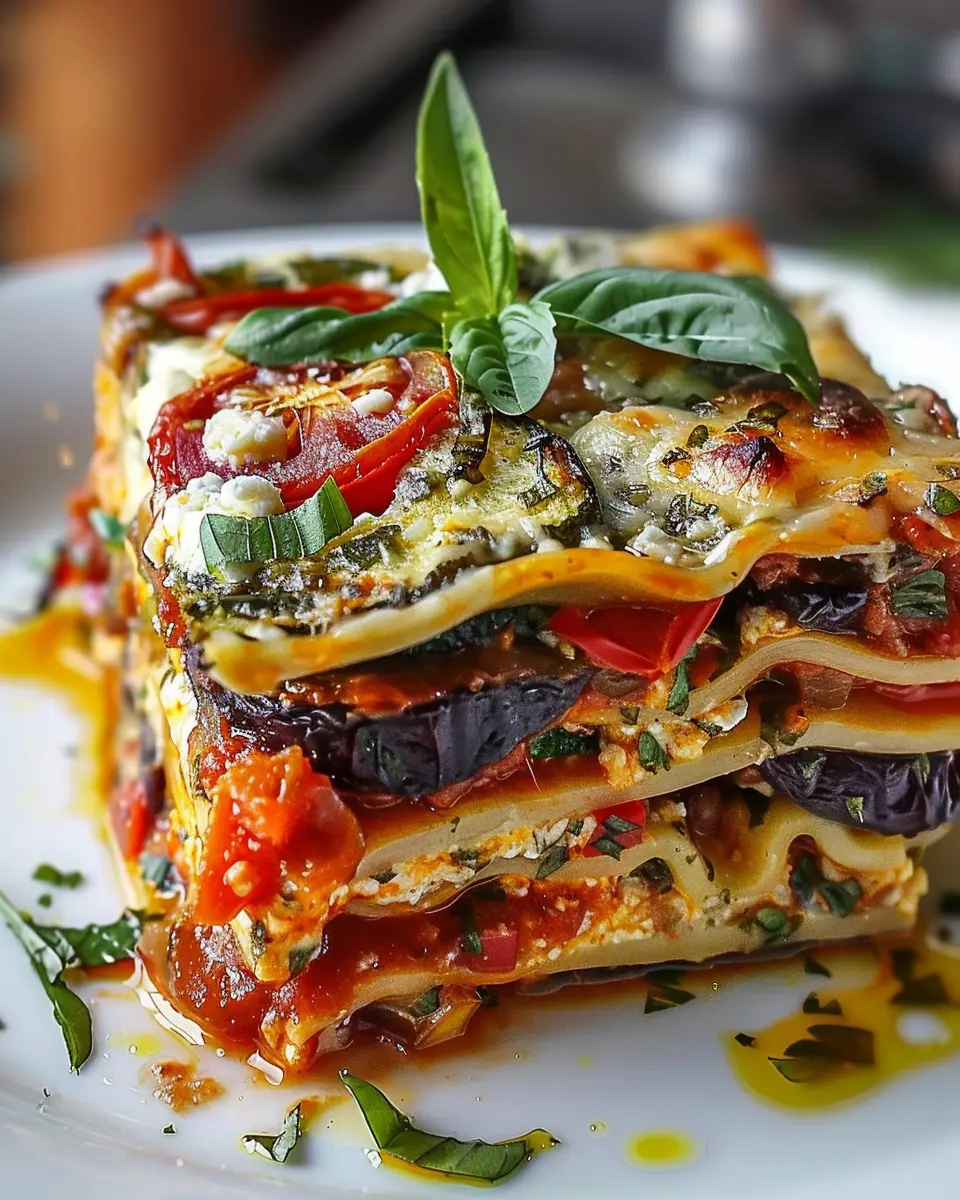
With all components prepared, it’s finally time to assemble! In a large, greased baking dish, start with a layer of marinara sauce on the bottom to prevent sticking. Follow this with a layer of lasagna noodles, then a generous spread of ricotta filling, some roasted veggies, and a sprinkle of mozzarella cheese.
Repeat these layers, finishing with a final layer of noodles topped off with marinara sauce and an abundant sprinkle of mozzarella and Parmesan. Don’t skimp on the cheese—who doesn’t love that melty goodness?
Bake the Lasagna
Now, cover your baking dish with aluminum foil (to avoid sticking, spray the foil with cooking spray) and pop it in the oven. Bake for 25 minutes, then remove the foil and let it bake for an additional 15-20 minutes until the cheese is bubbly and golden. Once done, take it out and let it rest for about 10 minutes before cutting in. This resting period helps the layers set, making serving easier.
Enjoy your masterpiece! This vegetable lasagna is perfect for meal prep or as a crowd-pleaser at gatherings. Plus, it’s an excellent way to incorporate those nutritious veggies into your diet—eat well and feel great!
Variations on Vegetable Lasagna
Using Different Vegetables for Unique Flavors
One of the beauties of vegetable lasagna is its versatility; you can really mix things up by using different vegetables. Instead of your typical zucchini and spinach, consider trying:
- Mushrooms: They add a meaty texture.
- Butternut Squash: For a sweet twist, layer thin slices for depth.
- Kale: This hearty green adds a nutritious punch and a slightly bitter flavor that balances well with cheese.
Experimenting with seasonal vegetables can also keep your dish fresh and exciting. Think about incorporating roasted bell peppers in summer or hearty root vegetables like carrots and parsnips in the fall. Not only does this introduce unique flavors, but it also packs a nutritional boost. Check out these seasonal recipes for more inspiration.
Incorporating Different Cheeses or Herbs
Cheese is another area where you can get creative with your vegetable lasagna. Instead of just mozzarella, try:
- Ricotta: For creaminess, give your lasagna a dreamy filling.
- Goat Cheese: Its tangy flavor can elevate your dish to gourmet status.
- Parmesan: A sprinkle of grated Parmesan can add that umami kick you’re looking for.
Don’t forget about herbs! Fresh basil, oregano, or thyme can really enhance the flavors of your vegetables. For a unique twist, consider adding a bit of sage or rosemary to bring in a warm, aromatic quality that pairs perfectly with your chosen veggies.
So, get ready to experiment and make your vegetable lasagna truly your own masterpiece! The possibilities are endless and delicious.
Cooking Tips and Notes for Vegetable Lasagna
Important Ingredient Swaps
When planning your vegetable lasagna, consider some delicious swaps to elevate flavors or accommodate dietary needs. For a lighter touch, try replacing traditional cheese with ricotta made from cashews or tofu for a vegan alternative. If you prefer a heartier feel, using turkey bacon or chicken ham can add depth without the guilt. And don’t forget about the noodles! Whole wheat or gluten-free lasagna sheets can cater to a variety of diets while still delivering that comforting taste.
Storage Tips for Leftovers
Leftover vegetable lasagna can be a lifesaver for busy weeknights. After cooking, allow it to cool completely before storing it in an airtight container in the fridge—it’s best consumed within 3-5 days. You can also freeze individual portions for up to three months. Just remember to layer parchment paper between pieces to prevent sticking. Reheating in the oven makes it crispy, but microwaving works well too if you’re in a rush! For more handy kitchen tips, check out resources from sites like The Kitchn for expert advice.
Serving Suggestions for Vegetable Lasagna
Pairing with Fresh Salad or Garlic Bread
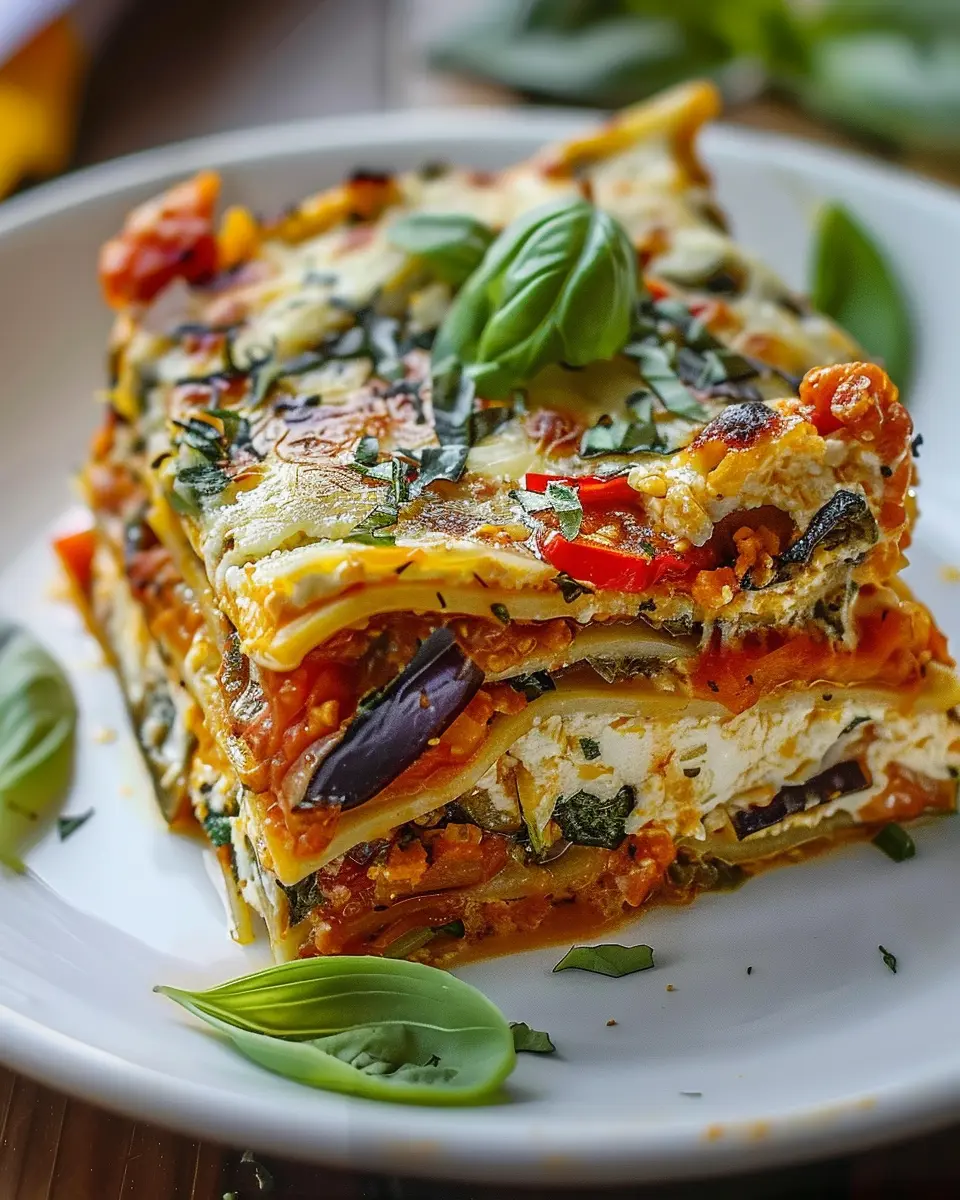
When serving your vegetable lasagna, consider pairing it with a crisp, fresh salad to enhance the meal. A simple arugula or mixed greens salad dressed with a light vinaigrette adds a refreshing contrast to the savory, cheesy layers of the lasagna. Add some cherry tomatoes, cucumbers, or your favorite nuts for an extra crunch!
For a satisfying side, don’t forget about garlic bread! Toasted slices slathered in butter and minced garlic not only complement the flavors of your dish but also provide that delightful crunch. If you want to elevate this further, try some herb-infused butter or sprinkle with fresh parsley just before serving.
Creative Ways to Serve Leftovers
Leftover vegetable lasagna can be a delicious second meal — if you know how to jazz it up! Try layering it in a wrap with fresh spinach for a convenient lunch on-the-go. Alternatively, crumble the lasagna into a salad for a unique twist. You can even bake it in a casserole dish with a sprinkle of cheese and herbs to give it a fresh spin.
For more ideas, check out these creative ways to use leftovers. By keeping it interesting, you’ll look forward to enjoying your delectable creation all over again!
Time breakdown for Vegetable Lasagna
Planning your cooking time is essential for a delicious vegetable lasagna that doesn’t stress you out. Here’s a quick breakdown to help you organize your efforts.
Preparation time
Expect to spend about 30 minutes on prep work. This includes chopping your favorite vegetables—think zucchini, bell peppers, and spinach—and prepping ingredients like the cheese mixture.
Cooking time
Once everything is prepped, the cooking process will take around 45 minutes. You’ll want to allow time for those beautiful layers to meld in the oven, enhancing the flavors of your veggie filling.
Total time
In total, you’re looking at about 1 hour and 15 minutes from start to finish. This makes it a convenient meal for a weeknight dinner or a weekend gathering with friends. With a little planning, your homemade vegetable lasagna will be on the table in no time!
If you’re curious about more time-saving cooking hacks, check out these tips from the Food Network.
Nutritional facts for Vegetable Lasagna
Calories per serving
A serving of vegetable lasagna contains around 350 to 400 calories, making it a filling yet manageable choice for a hearty meal.
Protein content
This delightful dish packs approximately 20 grams of protein per serving, thanks to ingredients like cheese and assorted veggies. This makes it a great option for those looking to boost their daily protein intake without meat.
Key nutritional benefits
The beauty of vegetable lasagna lies in its wealth of nutrients:
- Rich in Fiber: Whole grains and veggies contribute to better digestion.
- Vitamins and Minerals: Ingredients like spinach and zucchini supply vital vitamins A and C.
- Antioxidant Properties: Tomatoes and basil provide antioxidants to support overall health.
For those interested in healthy eating, Choosing Foods that Boost Immunity from the Academy of Nutrition and Dietetics can provide more insights on how nutrient-rich meals like this one can enhance wellbeing.
FAQs about Vegetable Lasagna
Can I make vegetable lasagna ahead of time?
Absolutely! One of the best things about vegetable lasagna is that it stores well. You can prepare the entire dish in advance and either refrigerate it for a day or freeze it for future use. If you choose to freeze it, wrap it tightly in plastic wrap and foil to prevent freezer burn. When you’re ready to enjoy it, simply bake from frozen (just increase the baking time) or let it thaw in the refrigerator overnight before baking.
What are some good side dishes for vegetable lasagna?
Pairing your delicious vegetable lasagna with the right side dishes can elevate your meal. Here are a few ideas to consider:
- Garlic Bread: Perfect for scooping up that cheesy goodness.
- Caesar Salad: The crispness of romaine lettuce complements the richness of the lasagna.
- Roasted Vegetables: Bring out the flavors of seasonal veggies to match the lasagna.
You can check out more side dish options at Food Network for inspiration.
How do I make a gluten-free version?
Creating a gluten-free vegetable lasagna is simpler than you might think! Use gluten-free lasagna noodles or even thin slices of zucchini to substitute traditional pasta. Ensure your cheese and sauce are also gluten-free—lots of brands offer gluten-free options. By customizing the ingredients, you can enjoy the same great flavor without gluten!
I hope these FAQs help make your vegetable lasagna experience even better! Feel free to ask more questions, and happy cooking!
Conclusion on Vegetable Lasagna
Homemade vegetable lasagna beats fast food every time, offering a wholesome meal crafted with care. Unlike the soggy and unfresh layers you might find in a takeout box, your version is bursting with vibrant flavors and nutritious ingredients. Think about all those farm-fresh vegetables nestled in between creamy layers of cheese and pasta—it’s simply delicious!
Not only does preparing your lasagna give you control over the quality of ingredients, but it also invites creativity. Try experimenting with different veggies or sauces! If you want to dive deeper into healthy cooking, check out this resource on nutritional benefits of seasonal vegetables. So, the next time you’re tempted by fast food, remember: your homemade vegetable lasagna is just a fresh batch away. Happy cooking!
PrintVegetable Lasagna: A Hearty & Easy Twist on Tradition

A delicious and hearty vegetable lasagna recipe that adds a twist to the traditional dish.
- Prep Time: 30 minutes
- Cook Time: 40 minutes
- Total Time: 1 hour 10 minutes
- Yield: 8 servings 1x
- Category: Main Dish
- Method: Baking
- Cuisine: Italian
- Diet: Vegetarian
Ingredients
- 12 lasagna noodles
- 2 cups ricotta cheese
- 3 cups spinach, cooked and drained
- 2 cups marinara sauce
- 1 cup mozzarella cheese, shredded
- 1/2 cup parmesan cheese, grated
- 1 teaspoon dried oregano
- 1 teaspoon salt
- 1/2 teaspoon black pepper
Instructions
- Preheat the oven to 375°F (190°C).
- Cook lasagna noodles according to package instructions; drain.
- In a bowl, mix ricotta cheese, spinach, oregano, salt, and pepper.
- Spread a layer of marinara sauce in the bottom of a baking dish.
- Layer 4 noodles, half of the ricotta mixture, half of the marinara, and a layer of mozzarella.
- Repeat the layers and top with remaining noodles, sauce, and parmesan cheese.
- Bake for 40 minutes until cheese is bubbly and golden.
- Let it cool for 10 minutes before serving.
Notes
- For extra flavor, add sautéed vegetables like bell peppers or zucchini.
- Letting the lasagna sit before cutting helps it hold together.
Nutrition
- Serving Size: 1 piece
- Calories: 320
- Sugar: 6g
- Sodium: 500mg
- Fat: 15g
- Saturated Fat: 8g
- Unsaturated Fat: 5g
- Trans Fat: 0g
- Carbohydrates: 35g
- Fiber: 4g
- Protein: 20g
- Cholesterol: 50mg
Keywords: Vegetable Lasagna